


What Are the Top Types of Plastic Containers?
Choosing the right plastic container begins with the product, not the shelf. A container must protect contents, support safe handling, and match real distribution conditions. A chilled drink bottle faces different pressures than a chemical jug or food-storage tub. Temperature, impact, moisture, light, and closure performance all matter.
Packaging specialist Susan Selke describes packaging as “part of a system, not an isolated object.” This idea helps explain why no single plastic container suits every application. PET bottles offer clarity and strong barrier performance for beverages. HDPE containers provide toughness for milk, detergents, and industrial liquids. PP tubs handle heat better and often serve yogurt, sauces, and prepared foods. LDPE bottles and flexible pouches feel softer, making them useful for products that require controlled squeezing.
The details become visible in everyday use. A thin bottle may collapse in a delivery box. A wide lid may be easier for an older consumer to grip. A dark container can protect light-sensitive contents, but it may complicate recycling identification. Small choices matter.
Not every popular option is the best option. That is the uncomfortable part. A lightweight package may reduce material use, yet fail during transport. A recyclable format may still be poorly collected locally. Claims also require evidence, not attractive wording.
This guide compares the top types of plastic containers through performance, usability, cost, and end-of-life considerations. It also recognizes uncertainty. Material selection is rarely perfect. The most reliable choice usually balances product protection with practical recovery, verified specifications, and honest environmental communication.
Plastic Containers: Definition, Purpose, and Common Materials
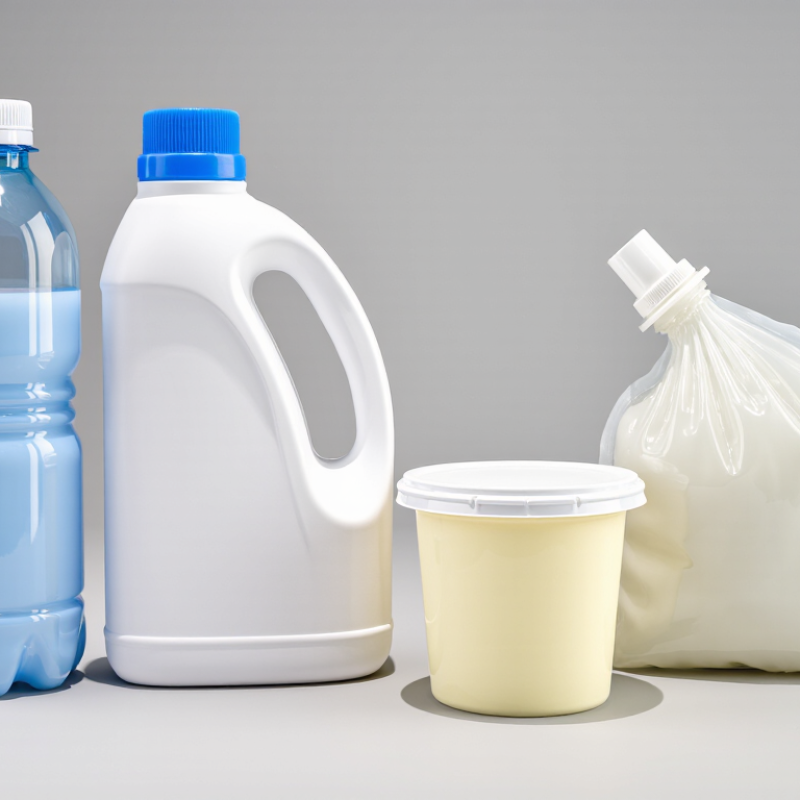
Plastic containers are molded vessels designed to hold, protect, and transport products. They may be rigid, flexible, transparent, or opaque. Their purpose goes beyond storage. A suitable container controls moisture, limits contamination, reduces breakage, and supports accurate dispensing. In food and household packaging, small details matter. A tight lid protects contents, while a lightweight wall lowers shipping weight.
Common materials include PET, HDPE, PP, LDPE, and polystyrene. PET is clear and stiff, making it useful for bottles and food trays. HDPE resists impact and chemicals, so it suits detergent bottles and industrial tubs. PP tolerates heat better and appears in reusable containers and closures. LDPE remains soft and squeezable. Polystyrene is lightweight, but its environmental performance requires careful review. The material alone does not decide suitability. Thickness, additives, closures, and cleaning conditions also matter.
The OECD’s Global Plastics Outlook reported 353 million tonnes of plastic waste worldwide in 2019. Packaging produced about 142 million tonnes, nearly 40 percent of that total. This figure explains why container design deserves serious technical attention. A thinner container may use fewer resources, but it can fail during transport. A heavier container may last longer, yet consume more material. The neatest answer is not always correct. In practice, recyclability depends on local collection systems, sorting equipment, and contamination levels. The Ellen MacArthur Foundation has repeatedly emphasized designing packaging for reuse, recycling, or composting from the beginning. That principle sounds simple. It is not.
What Are the Top Types of Plastic Containers? - Plastic Containers: Definition, Purpose, and Common Materials
| Container Type | Common Material | Typical Shape or Design | Common Uses | Key Advantages | Important Considerations |
|---|---|---|---|---|---|
| Bottles | HDPE, PET, or PP | Narrow neck with a screw cap, dispensing closure, or pump | Water, beverages, detergents, personal-care products, and household chemicals | Lightweight, portable, and available in many sizes and closure styles | The material must be compatible with the liquid; PET is generally clear, while HDPE is usually opaque or translucent |
| Jars | PP, HDPE, or PET | Wide mouth with a screw-on lid | Food spreads, creams, powders, supplements, and dry goods | Easy filling, access, scooping, and cleaning | A wide opening can provide less protection against moisture and oxygen unless a suitable seal is added |
| Tubs | PP or HDPE | Short, wide container with a snap-fit or hinged lid | Dairy foods, frozen foods, spreads, powders, and industrial products | Stable, stackable, and convenient for repeated access | The lid and body need to maintain a secure fit during transport and storage |
| Food Storage Boxes | PP, HDPE, or Tritan-type copolyester | Rectangular or square body with a fitted lid | Leftovers, meal preparation, dry ingredients, and refrigerated foods | Reusable, space-efficient, and often designed for refrigeration or microwave use | Only products specifically rated for microwave, freezer, or dishwasher use should be exposed to those conditions |
| Trays | PET, PP, or expanded polystyrene | Shallow, open-top form with optional film or lid | Fresh food, meat, produce, ready-to-eat meals, and medical supplies | Provides product visibility, separation, and efficient display | Thin trays may have limited impact resistance and may not be accepted in all recycling programs |
| Blister Packs | PVC or PET with paperboard backing | Formed plastic cavity sealed to a backing card or lidding material | Tablets, small hardware, batteries, and compact consumer goods | Offers product visibility, portion control, and tamper evidence | Mixed-material construction can make sorting and recycling more difficult |
| Clamshells | PET, RPET, or PVC | Two hinged halves that fold together around the product | Produce, baked goods, electronics, tools, and small retail items | Strong visibility, product protection, and resistance to accidental opening | Rigid designs can require more material and may be difficult to open without a tool |
| Flexible Pouches | PE, PP, or multilayer plastic films | Flat or stand-up pouch with a seal, spout, or zipper | Sauces, snacks, pet food, detergents, and refill products | Low weight, efficient storage, and good product-to-package ratio | Multilayer structures may provide strong barrier performance but are often harder to recycle |
| Drums and Pails | HDPE or PP | Rigid cylindrical drum or bucket with a lid and optional handle | Industrial chemicals, coatings, lubricants, agricultural products, and bulk materials | High durability, large capacity, and convenient handling | Containers used for hazardous materials require appropriate testing, labeling, and closure systems |
| Tube Containers | LDPE, HDPE, or laminate plastic | Squeezable cylindrical tube with a flip-top or screw cap | Toothpaste, creams, gels, ointments, adhesives, and food pastes | Controlled dispensing, portability, and good protection from repeated handling | Some tubes contain multiple material layers or attached components that complicate recycling |
Note: Plastic identification codes and recycling acceptance vary by location. Always follow local recycling guidance and the container’s intended-use instructions.
Related Posts
-
China Top 10 Plastic Container Manufacturers?
-
Top Strategies for Maximizing Efficiency in Plastic Container Production
-
How to Identify Top Suppliers for the Best Plastic Container in Your Industry
-

What are the Benefits of Using Plastic Containers in Everyday Life
-
How to Choose the Best Plastic Container for Your Storage Needs
-
Ultimate Guide to Choosing the Best Clear Plastic Boxes for Every Storage Need