


How to Choose the Best Packaging and Containers?
Choosing the best packaging and containers is not just a matter of appearance. The right choice protects a product, supports practical handling, and makes sense for storage and delivery. A glass jar may suit a sauce that needs a sturdy seal, while a flexible pouch can save shelf space for dry goods. Small details matter. A cap that is difficult to open or a label that smudges when chilled can frustrate customers, even when the product itself is excellent. A package can look impressive and still fail in everyday use.
Start by considering the product’s sensitivity to light, moisture, air, and impact. Then think about how it will be filled, stacked, shipped, opened, and stored. Ask suppliers for material specifications and samples, and test them under realistic conditions. A sample handled on a desk may behave differently after a cold delivery or repeated opening. Costs also extend beyond the unit price: shipping weight, breakage, storage space, and returns can change the overall value. Sustainability deserves careful scrutiny, too. Check whether local collection systems accept the material, and avoid relying on broad claims without clear details. There is no perfect package. Trade-offs are unavoidable, and early assumptions sometimes need revisiting. A thoughtful selection balances protection, usability, cost, and end-of-life considerations for the product and the people who handle it.
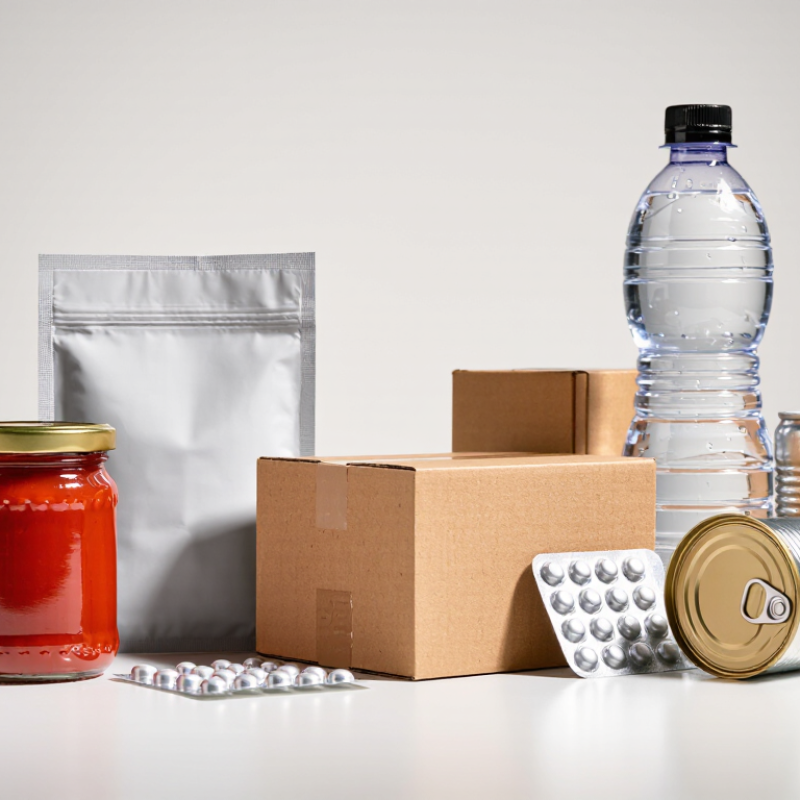
Identify the Product’s Packaging Requirements
Identify the Product’s Packaging Requirements
Before comparing packaging options, describe what the product must endure. Note its weight, dimensions, texture, and sensitivity to moisture, light, air, or impact. A dry powder may need a tight seal and a wide opening, while a glass item may need cushioning around its corners. Small details matter. Include how customers will store, open, use, and dispose of the package. A container that protects well but is awkward to pour can create complaints.
Think through the full journey, not only the shelf. Will packages sit in a hot delivery van, stack in a warehouse, or travel in a chilled box? Estimate how long protection is needed and whether the contents could leak, dent, fade, or lose freshness. Then test a realistic sample: fill it, close it, shake it gently, and leave it in expected storage conditions. Test it early. I have seen teams focus on appearance and overlook a lid that loosens after repeated use. That is easy to miss. Record what fails, even if the result seems minor, and revise the requirements before selecting a container. Also consider the amount of material and whether customers can separate components for disposal; assumptions about convenience do not always match real use.
How to Choose the Best Packaging and Containers? - Identify the Product’s Packaging Requirements
| Product Type | Key Packaging Requirements | Common Packaging or Container | Protection to Consider | Material and Sustainability Notes | Practical Checks |
|---|---|---|---|---|---|
| Dry foods Examples: grains, pasta, snacks |
Keep moisture, oxygen, light, and pests from affecting product quality. Provide a reliable closure after opening. | Paperboard carton with an inner liner, resealable pouch, or food-grade container with a fitted lid. | Moisture and oxygen barrier; seals that resist leaks and accidental opening. | Choose food-contact-suitable materials. Recyclability depends on local facilities, coatings, and mixed-material construction. | Check seal integrity, shelf-life needs, filling-line compatibility, and whether the package is easy to open and reseal. |
| Liquids Examples: beverages, sauces, household liquids |
Prevent leakage and contamination. The container must tolerate the liquid’s acidity, oils, or other ingredients. | Glass bottle, compatible plastic bottle, beverage carton, or sealed pouch with a suitable closure. | Leak-resistant closure, secure neck or seam, and adequate resistance to impact or pressure where applicable. | Consider container weight, recycled content availability, refill options, and local collection systems. | Test the filled package for leakage, material compatibility, transport vibration, and expected storage temperature. |
| Fragile goods Examples: ceramics, glassware, delicate components |
Limit movement and absorb shocks during handling, shipping, and storage. | Corrugated shipping box with a fitted insert, molded fiber tray, or cushioning material. | Edge and corner protection, cushioning, and an outer box sized to reduce shifting. | Paper-based cushioning can simplify recycling when used without incompatible coatings or mixed materials. | Conduct drop and vibration tests using the packed product and the intended shipping configuration. |
| Moisture-sensitive products Examples: powders, supplements, electronics |
Control exposure to humidity and, where needed, oxygen or static discharge. | Barrier pouch, sealed jar, moisture-resistant carton with an inner pack, or antistatic bag for suitable electronics. | Moisture barrier, secure seals, and desiccant only when appropriate for the product and instructions. | Barrier layers may affect recyclability. Check whether a mono-material alternative can meet the required protection. | Set acceptable humidity limits and verify performance over the product’s expected storage period. |
| Temperature-sensitive goods Examples: chilled or frozen foods |
Maintain the required temperature range throughout storage and distribution. | Insulated shipper with a suitable liner and coolant, or a package designed for refrigerated retail distribution. | Thermal insulation, leak control from coolant, and protection against temperature excursions. | Insulation and coolant choices can increase material use; assess the full shipping system and disposal requirements. | Validate pack-out, transit duration, seasonal conditions, and temperature performance with representative shipments. |
| Personal-care products Examples: creams, lotions, shampoos |
Protect the formula from contamination and leakage while allowing convenient, controlled dispensing. | Tube, pump bottle, jar, or bottle with a compatible cap or dispenser. | Closure integrity, formula compatibility, and protection from light or air when required by the product. | Use materials compatible with the formula. Refill formats may reduce packaging material when collection or reuse is practical. | Test dispensing, leakage, formula interaction, and package performance after repeated use. |
| Powders and granules Examples: cleaning products, dry ingredients |
Prevent spills, moisture uptake, and dust release; allow accurate dispensing. | Resealable pouch, wide-mouth container, or carton with a sealed inner bag. | Strong seams, moisture barrier, and a closure suited to the particle size and dispensing method. | Consider refillability and whether the inner and outer components can be separated for disposal. | Check seal strength, puncture resistance, dispensing control, and performance after opening. |
| Retail and e-commerce products Examples: boxed goods and consumer accessories |
Balance product protection, shelf presentation, shipping efficiency, and clear product information. | Retail carton, mailer, or corrugated shipping box with an appropriately sized insert. | Resistance to compression and scuffing; reduce void space without compromising protection. | Right-sizing can reduce material and shipping volume. Prefer widely accepted recyclable materials where feasible. | Review shipping dimensions, stacking strength, labeling space, and the complete packaging system. |
Selection reminder: Confirm applicable food-contact, chemical, transport, and labeling requirements for the product and destination market before choosing packaging.
Related Posts
-

5 Innovative Tips for Choosing the Best Clear Packaging Solutions in 2023
-

What Are the Top Tube Packaging Suppliers in China?
-

Exploring Unique Alternatives to Traditional Tube Boxes for Your Packaging Needs
-
7 Proven Tips to Choose the Best Clear Plastic Containers for Your Needs
-
Best Clamshell Packaging Options for Global Buyers?
-

How to Choose Clear Plastic Tubes With Caps?