


What Are the Top Tube Packaging Suppliers in China?
China has become a major manufacturing base for tube packaging, serving cosmetics, pharmaceuticals, personal care, food, and household products. Yet “top supplier” means more than a polished website or a low quotation.
This guide examines Chinese tube packaging suppliers through practical criteria. These include production capacity, material options, decoration quality, filling compatibility, minimum order quantities, certifications, and export experience. It also considers aluminum, plastic, laminate, PCR, and recyclable tube formats. Factory audits, sample testing, and communication standards matter greatly. Small details matter.
Packaging author Walter Soroka defines packaging as “a coordinated system of preparing goods for transport, distribution, storage, retailing, and end-use.” That view remains useful for evaluating tube packaging suppliers. A tube must protect the formula, support efficient filling, survive shipping, and communicate the brand clearly. It should also feel reliable in the consumer’s hand.
The suppliers discussed here may suit different purchasing goals. One factory may offer excellent cosmetic decoration, while another provides stronger pharmaceutical controls. A third may handle flexible customization but require larger orders. No ranking stays perfect for every buyer. Some supplier claims still need independent verification. Pricing can shift with resin costs, aluminum markets, printing methods, tooling, and order volume.
Readers should compare samples before signing contracts. Request production photos, material specifications, inspection records, and realistic lead times. Confirm whether the quoted price includes tooling, decoration, caps, testing, and delivery. This article offers a practical starting point, not a substitute for due diligence.
What Is Tube Packaging and Why Is China a Leading Supplier?
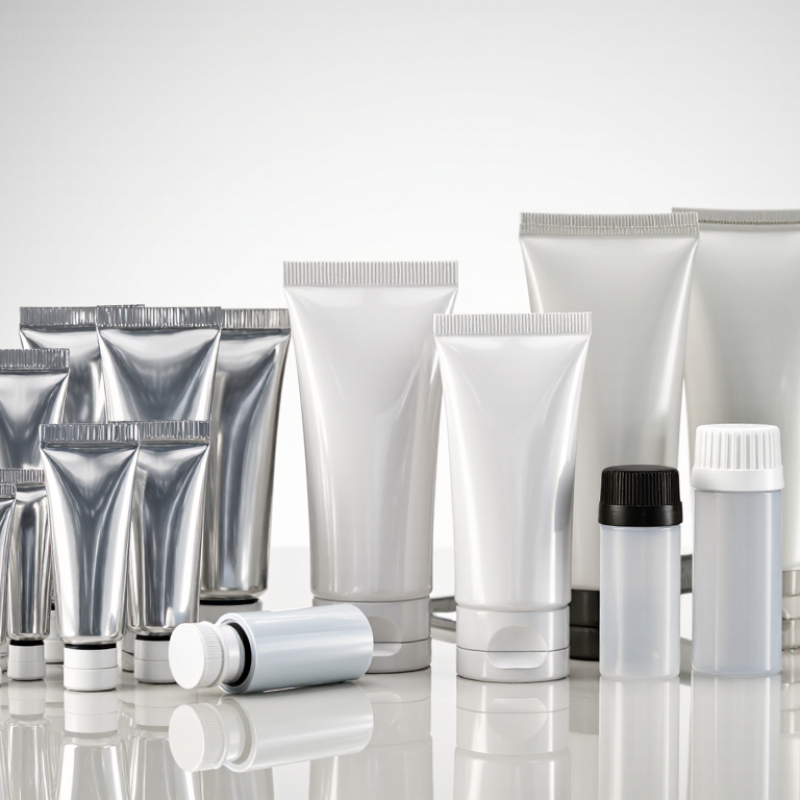
Tube packaging is a squeezable container made from plastic, laminate, or aluminum. It usually includes a shoulder, nozzle, cap, and printed body. This structure protects creams, gels, toothpaste, sauces, and other viscous products from air, light, and contamination. It also supports controlled dispensing, with less product waste than many rigid containers.
China is a leading supplier because its packaging ecosystem is unusually complete. Resin processing, tube extrusion, cap molding, printing, decoration, and automated filling equipment often operate within one manufacturing network. Grand View Research estimated the global cosmetic packaging market at about USD 35.6 billion in 2023, with continued growth expected through 2030. This demand encourages Chinese factories to improve barrier films, low-weight tubes, and digital decoration. Smithers also identifies lightweighting and recyclable structures as important directions in global flexible packaging.
The best Chinese suppliers are not judged by price alone. Buyers should inspect ISO-based quality systems, batch traceability, migration testing, seal strength, and production samples. A tube may look attractive but still crack near the shoulder after repeated squeezing. That detail matters. Supplier claims can also be inconsistent, especially around recyclability. A practical audit should compare material specifications with independent laboratory results. China offers strong production capacity, but responsible sourcing still requires factory visits, clear testing methods, and careful review of export documentation.
What Are the Top Tube Packaging Suppliers in China? - What Is Tube Packaging and Why Is China a Leading Supplier?
| Tube Packaging Category | Main Materials | Typical Applications | Key Packaging Characteristics | Common Manufacturing Processes | Typical Customization Options | Relevant Quality or Regulatory Considerations | Why China Is Competitive in This Category |
|---|---|---|---|---|---|---|---|
| Plastic Squeeze Tubes | Polyethylene, including low-density and high-density grades; polypropylene is also used for selected components. | Skin-care products, toothpaste, hand creams, hair-care products, household creams and gels. | Lightweight, squeezable, corrosion-resistant and suitable for high-speed filling and sealing. | Tube extrusion, shoulder molding, head assembly, offset or digital printing, filling and heat sealing. | Tube diameter, wall thickness, shoulder shape, cap style, surface finish, color, printing and decorative effects. | Material compatibility, seal integrity, migration testing where applicable, dimensional control and cosmetic-packaging requirements such as ISO 22715. | China has a large plastics-processing base, established mold-making capacity and integrated access to printing, decoration, closures and filling equipment. |
| Multi-Layer Barrier Tubes | Polyethylene layers combined with barrier layers such as ethylene-vinyl alcohol or aluminum foil. | Products sensitive to oxygen, moisture, fragrance loss or light, including selected creams, gels, ointments and food pastes. | Improved protection against oxygen, moisture, aroma loss and light compared with standard single-layer plastic tubes. | Co-extrusion or laminate production, shoulder molding, printing, cap assembly and controlled sealing. | Barrier-layer selection, tube gauge, opaque or translucent construction, decoration, cap design and opening size. | Barrier performance should be verified through oxygen-transmission and water-vapor-transmission testing appropriate to the product. | Domestic production of polymer films, adhesives, aluminum foil and converting equipment supports integrated barrier-tube manufacturing. |
| Aluminum Collapsible Tubes | Formable aluminum, with internal lacquer or coating and external printing or varnish. | Pharmaceutical ointments, dental products, creams, artist colors and selected industrial pastes. | Strong light and gas protection, good product evacuation and excellent formability after filling. | Impact extrusion, trimming, annealing, internal coating, external decoration, neck forming and sealing. | Tube diameter, length, shoulder and nozzle configuration, internal coating, printing, varnish and tamper-evident features. | Coating compatibility, pinhole control, seal integrity, metal-to-product interaction and pharmaceutical primary-packaging controls where applicable. | China has substantial aluminum processing, coating, printing and metal-forming capabilities, supporting both standard and customized production. |
| Laminated Aluminum-Plastic Tubes | Plastic layers laminated with aluminum foil and sealed into a tube structure. | Toothpaste, cosmetics, pharmaceutical creams, food pastes and products requiring stronger barrier protection. | Combines aluminum-level barrier performance with plastic-tube flexibility, printable surfaces and controlled squeezing. | Film lamination, web printing, tube-body forming, longitudinal sealing, shoulder molding and cap assembly. | Laminate structure, foil thickness, tube diameter, print coverage, cap style, nozzle size and surface finish. | Laminate bond strength, flex-crack resistance, pinhole inspection, seal strength and product compatibility are important validation points. | A broad converting industry and access to film, foil, adhesive, printing and molding suppliers enable competitive integrated production. |
| Plastic Barrier-Laminate Tubes | Polyethylene or polypropylene combined with barrier films such as EVOH or polyester-based structures. | Personal-care products, food sauces, medical gels and formulations requiring controlled gas or moisture transmission. | Lower metal content than aluminum-laminate structures while maintaining enhanced barrier performance. | Film extrusion or lamination, tube forming, shoulder welding or molding, printing, filling and sealing. | Barrier specification, layer structure, tube flexibility, decoration, closure geometry and dispensing aperture. | Barrier testing, layer adhesion, seal performance, food-contact or cosmetic-contact compliance where relevant. | China’s film extrusion, adhesive-lamination, printing and tube-converting supply chains support multiple material configurations. |
| Pharmaceutical Ointment Tubes | Aluminum, high-density polyethylene, low-density polyethylene or multilayer structures selected for formulation compatibility. | Topical medicines, ophthalmic products, dermatological ointments and medical creams. | Designed for controlled dispensing, product protection and hygienic primary packaging. | Impact extrusion or tube extrusion, internal coating where needed, precision neck forming, cleaning, inspection and sealing. | Fill volume, nozzle diameter, tamper-evident seal, applicator tip, printed information and carton-compatible dimensions. | Pharmaceutical packaging may require controlled manufacturing, traceability, cleanliness, compatibility testing and quality systems such as ISO 15378. | China offers a large manufacturing base for pharmaceutical packaging components, tooling, inspection equipment and contract production. |
| Food and Beverage Paste Tubes | Food-contact polyethylene, polypropylene, multilayer plastic or aluminum-laminate structures. | Condiments, sauces, concentrated pastes, edible gels and selected nutritional products. | Convenient portion dispensing, reduced exposure to air after opening and clean shelf presentation. | Food-contact film production, extrusion or lamination, tube forming, printing, cap assembly and hygienic filling. | Opening size, cap type, squeeze force, barrier level, graphics, tube volume and tamper-evident sealing. | Food-contact compliance, overall and specific migration testing, odor and flavor neutrality, seal integrity and shelf-life validation. | China has extensive food-packaging, flexible-film, printing and filling-equipment industries serving domestic and export markets. |
| Cosmetic and Personal-Care Tubes | Polyethylene, polypropylene, PCR-containing plastics, aluminum-laminate or plastic-barrier laminate. | Facial cleansers, sunscreens, body lotions, masks, scrubs, hair products and styling creams. | Highly adaptable appearance, convenient dispensing, low weight and broad compatibility with viscous formulations. | Extrusion, co-extrusion, molding, screen or offset printing, hot stamping, metallization, filling and sealing. | Matte or gloss finish, soft-touch effect, metallic decoration, custom colors, flip-top or screw caps and various applicators. | Formula compatibility, odor transfer, leakage resistance, packaging stability, cosmetic labeling and ISO 22715-related practices. | China combines large-scale cosmetic packaging production with extensive decoration, mold, closure and filling-service capabilities. |
| Recyclable Mono-Material Tubes | Primarily polyethylene or polypropylene components designed to reduce incompatible material layers. | Personal-care products, household products and selected food or industrial formulations. | Potentially simpler material identification and recycling compared with structures containing multiple incompatible materials. | Mono-material extrusion or co-extrusion, compatible shoulder and cap production, printing and sealing. | Recycled-content incorporation where technically suitable, cap and shoulder material selection, wall thickness and decoration. | Recyclability depends on local collection systems, material composition, pigments, adhesives, labels and recycling-facility acceptance. | China’s broad polymer-conversion capacity supports experimentation with mono-material structures, recycled content and lightweight designs. |
| Small-Volume Sample Tubes | Polyethylene, polypropylene, laminated plastic or aluminum depending on the formulation and required barrier. | Cosmetic samples, pharmaceutical samples, hotel amenities, clinical products and promotional trial sizes. | Low material usage, easy portability and suitability for single-use or short-duration applications. | Small-diameter extrusion, molding, printing, filling, heat sealing and automated inspection. | Small fill volumes, custom artwork, nozzle size, cap style, sachet-compatible dimensions and secondary packaging. | Accurate fill volume, seal consistency, leakage testing, product compatibility and labeling space are key control points. | China has extensive high-volume packaging machinery and decoration capacity, allowing efficient production of small-format packaging. |
| Industrial and Adhesive Tubes | High-density polyethylene, polypropylene, aluminum or barrier laminate selected for chemical resistance. | Adhesives, sealants, lubricants, repair compounds, pigments and specialty industrial pastes. | Controlled application, protection from contamination and compatibility with higher-viscosity or reactive contents. | Extrusion, impact extrusion, barrier lamination, nozzle forming, precision filling and tamper-evident sealing. | Nozzle geometry, applicator tips, wall thickness, chemical-resistant liners, cap systems and dispensing force. | Chemical compatibility, permeation, curing behavior, pressure resistance, storage stability and worker-safety labeling. | China has mature chemical-packaging, plastics, aluminum, precision-molding and industrial filling-equipment supply chains. |
Industry note: Tube packaging is a collapsible container made from plastic, aluminum, laminate or a combination of these materials. Supplier suitability should be evaluated by material compatibility, barrier performance, production controls, decoration quality, minimum order quantity, testing capability and export compliance rather than by production location alone.
Related Posts
-

Troubleshooting Issues with Plastic Tubes with Caps: What Global Buyers Need to Know
-

Top 10 Uses of Plastic Tube in 2025 for Home and Industry
-
Ultimate Guide to Evaluating the Best Cardboard Shipping Tubes for Your Needs
-
2026 Top Clear Tubes for Global Procurement Needs?
-

How to Choose the Right Plastic Vials?
-
The Rise of Eco-Friendly Plastic Clamshell Containers: Trends and Benefits Backed by 2023 Data