The global mailing tubes market is shaped by e-commerce, document shipping, and the demand for recyclable protective packaging. This article examines China’s top ten mailing tube manufacturers through practical criteria: material quality, spiral winding accuracy, closure design, printing capability, export experience, and production consistency.
Parcel volume provides useful context. Pitney Bowes reported approximately 161 billion parcels worldwide in 2022, showing why reliable cylindrical packaging remains commercially relevant. Smithers also identifies continued growth in paper-based and corrugated packaging, supported by online retail and sustainability targets. However, available market reports often group mailing tubes with broader paper packaging categories. Direct comparisons are therefore imperfect. A neat ranking may look convincing, but factory audits and sample testing still matter.
Packaging analyst David Luttenberger has offered a useful principle: “Packaging performance is not judged in the warehouse; it is judged when the product arrives.” That idea fits mailing tubes closely. A tube can appear strong on a catalog page yet crush near the cap, split along the spiral seam, or arrive with poor print alignment. Buyers should inspect wall thickness, inner diameter tolerance, kraft paper grade, moisture resistance, and drop-test results. Certifications also deserve verification, not assumption.
The manufacturers discussed here are assessed from a buyer’s perspective, combining public company information, production capabilities, industry reports, and realistic shipping needs. Price matters. So does the quiet detail of a cap that stays attached after a long journey. The final ranking should guide research, not replace it.

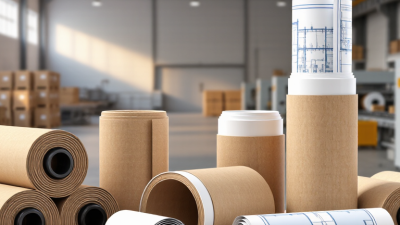
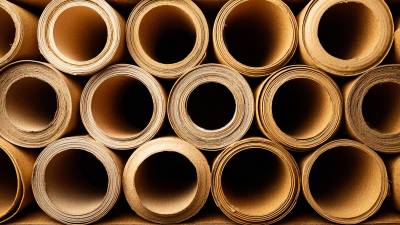
Mailing tubes are rigid, hollow packages designed to protect long or rolled items during shipping. They are commonly made from wound paperboard, with plastic or metal closures at both ends. A poster, architectural drawing, calendar, or fabric sample can travel inside without being sharply folded. That simple shape matters. A flat envelope may crease, while a tube spreads pressure around its curved wall. In practical packaging work, the best tubes feel firm without becoming unnecessarily heavy. This balance is easy to underestimate.
Their wide use comes from practical protection and efficient handling. Cylindrical walls resist crushing better than thin flat mailers when parcels are stacked. Many tubes also use recyclable paper materials, which can reduce plastic use when properly designed and processed.
They are available in different diameters and lengths, allowing businesses to match the package to the product. A snug fit limits movement. Too much empty space does not. Labels are usually easy to place along the smooth outer surface, helping sorting and delivery staff read important information.
Reliable tube selection should consider wall thickness, closure strength, moisture exposure, and transport distance. A lightweight tube may suit a local document but fail during repeated handling. This is where testing matters. Realistic contents reveal weaknesses better than appearance alone. Still, mailing tubes are not perfect. Round parcels can roll, occupy awkward shelf space, and cost more to store. Oversized tubes may also create unnecessary waste and shipping volume. Better packaging requires restraint: protect the contents, measure carefully, and question every extra layer.
China’s top 10 mailing tube manufacturers should be evaluated through evidence, not rankings alone.
The State Post Bureau reported more than 170 billion express parcels in China during 2024. That volume increases pressure on tube strength, production consistency, and delivery reliability. Ask for batch records, not polished samples. A tube surviving a showroom test may still crush inside a crowded delivery sack.
Testing should follow recognized methods.
ASTM D4169 and ISTA distribution protocols can assess vibration, compression, drops, and handling stress. Measure burst resistance, end-cap retention, wall thickness, and dimensional tolerance.
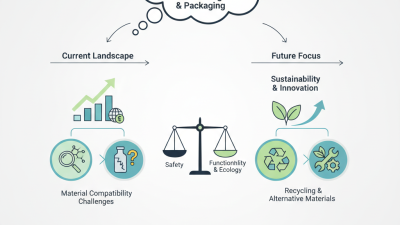
Smithers’ e-commerce packaging research also identifies sustainability and right-sizing as major market priorities.
Therefore, compare recycled fiber content, recyclable coatings, adhesive composition, and empty-tube shipping volume. Claims should include laboratory results or third-party verification.
Cost needs a wider calculation.
Include tooling, minimum order quantities, defect rates, export packaging, and replacement claims. Request samples from different production batches. Inspect the spiral seam, cap fit, inner surface, and odor after storage. Small flaws matter.
Manufacturers should explain moisture control and warehouse conditions, especially for humid routes. Certifications can support credibility, but they cannot replace traceable quality records.
My assessment would use a weighted score: 35% quality, 25% delivery performance, 20% sustainability, and 20% commercial flexibility. The weighting is imperfect. Product risk and destination conditions may require adjustment.
Who Are the Top 10 Mailing Tube Manufacturers in China?
China’s top ten mailing tube manufacturers are usually identified by production strength, material control, and export experience. They serve packaging distributors, online retailers, printers, and industrial buyers. The strongest factories commonly produce kraft mailing tubes, spiral-wound tubes, cardboard cores, poster tubes, and custom printed cylinders. Their workshops often use automated winding machines, controlled drying areas, and pressure testing equipment.
A reliable supplier should provide clear measurements, paper thickness, inner diameter, wall strength, and closure options. Ask for samples before placing a large order. Experienced manufacturers can adjust tube length, cap fitting, surface printing, and protective packaging. They should also explain lead times and inspection procedures without vague promises. No ranking is perfect. A smaller factory may offer better communication, while a larger one may provide steadier output. That difference matters.
Tips: Check a sample after stacking, opening, and shipping. Look for crushed edges, loose caps, ink marks, and uneven spirals. Request recent factory photos, test records, and packaging details. Do not judge quality from polished catalog images alone. A practical supplier answers specific questions clearly, even when a requested design needs revision.
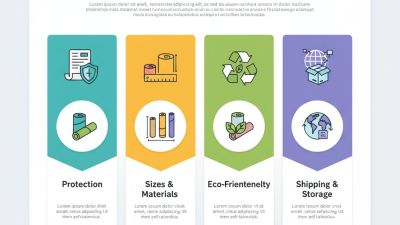
China’s top ten mailing tube manufacturers typically produce spiral-wound kraft tubes, rigid postal tubes, document containers, and presentation tubes. Their common sizes range from narrow poster tubes to wider packaging for rolled textiles or prints. Customers can usually select tube length, inner diameter, wall thickness, and closure style. Plastic or metal end caps may be available, although recyclable paper plugs better suit some sustainability programs. Small details matter.
Customization often includes offset printing, flexographic logos, matte or glossy wrapping paper, and full-color surface graphics. Manufacturers may also add barcode labels, tamper-evident seals, pull ribbons, foam inserts, or fitted cardboard supports. For premium orders, some suppliers create textured paper, embossed patterns, or custom-colored interiors. Samples should be checked with the actual product. A tube protecting a poster may fail when holding a heavier catalog.
Experienced factories normally provide drawings, preproduction samples, and inspection records. Useful checks include compression strength, cap fit, moisture resistance, print accuracy, and drop performance. Ask about recycled paper content and adhesive specifications. Production lines may support both small customized batches and larger export orders, but minimum quantities vary widely. Not every cheap quotation is efficient. Weak end caps, inconsistent winding, or delayed samples can increase final costs. I would also question attractive claims without test evidence, because a polished catalogue cannot replace reliable packaging trials.
Choosing among China’s top 10 mailing tube manufacturers requires more than comparing online rankings. Buyers should verify factory experience, production equipment, and export history. Ask for a material specification sheet. It should identify paper grade, wall thickness, inner diameter, and moisture resistance. A dependable manufacturer will answer clearly and provide traceable records.
Request physical samples before discussing large orders. Test the tube with your actual documents, labels, and sealing method. Check whether the cap fits tightly and whether the body remains straight after shipping. Samples reveal more. Paper quality matters. I once saw an attractive quotation fail because the tube softened in humid storage. That mistake showed me why laboratory claims cannot replace practical testing.
Review the manufacturer’s quality process, including incoming material checks, production inspections, and final packaging. Ask how many pieces they inspect per batch and what happens when defects appear. Confirm minimum order quantities, sample fees, production lead times, and replacement policies in writing. Packaging should protect tubes from crushing, especially during container transport. Buyers should also verify product documentation and market-specific requirements with qualified professionals. A supplier that welcomes audits is usually easier to trust, although no factory is perfect. Leave room for correction, because packaging projects often change after the first trial. Clear communication, honest records, and repeatable quality matter more than polished sales language.
| Rank | Anonymous Manufacturer Profile | Primary Product Type | Common Tube Sizes | Typical Material and Structure | Closure Options | Customization Capability | Indicative MOQ | Typical Production Lead Time | Relevant Buyer Checks | Best Application |
|---|---|---|---|---|---|---|---|---|---|---|
| 1 | High-volume kraft tube producer | Standard postal mailing tubes | Diameter: 38–100 mm Length: 300–1,200 mm |
Spiral-wound recycled kraft paperboard; approximately 1.5–3.0 mm wall thickness | Plastic end caps, kraft paper plugs, or metal ends | Printed labels, outer wrapping, length and diameter adjustment | Usually 1,000–5,000 pieces | Approximately 15–30 working days after artwork and sample approval | Check compression strength, moisture protection, winding quality, and dimensional tolerance | Posters, drawings, documents, and retail orders |
| 2 | Heavy-duty industrial tube producer | Reinforced shipping tubes | Diameter: 50–150 mm Length: 400–1,800 mm |
Multi-layer spiral-wound paperboard with reinforced kraft outer plies; approximately 3.0–8.0 mm wall thickness | High-impact plastic caps or fitted paperboard plugs | Custom wall thickness, protective ends, printing, and pallet packing | Usually 500–2,000 pieces | Approximately 20–35 working days | Request stacking, edge-crush, drop, and compression test data for the packed product | Industrial drawings, architectural plans, textiles, and long products |
| 3 | Custom printed packaging specialist | Branded promotional mailing tubes | Diameter: 50–120 mm Length: 150–600 mm |
Paperboard tube with coated, offset-printed, or kraft-wrapped outer surface | Push-fit caps, friction lids, or removable metal lids | Full-color printing, spot colors, matte or gloss finish, embossing, and foil accents | Usually 500–3,000 pieces | Approximately 20–40 working days, depending on finishing | Approve a physical color proof and verify print registration, ink adhesion, and surface scuff resistance | Gift packaging, promotional kits, posters, and subscription products |
| 4 | Eco-focused paper packaging producer | Recyclable kraft mailing tubes | Diameter: 40–100 mm Length: 200–1,000 mm |
Unbleached kraft paperboard; water-based adhesive; plastic-free construction available | Paper plugs, molded-pulp ends, or recyclable paper caps | Recycled-content percentage, FSC-certified paper supply, paper labels, and custom dimensions | Usually 1,000–5,000 pieces | Approximately 20–35 working days | Verify recycled content, fiber certification, adhesive composition, and recyclability claims | Sustainable e-commerce packaging and environmentally focused retail goods |
| 5 | Small-diameter document tube producer | Compact mailing tubes for documents | Diameter: 25–50 mm Length: 250–900 mm |
Lightweight spiral-wound paperboard; approximately 1.0–2.0 mm wall thickness | Plastic caps or self-locking paperboard ends | Custom internal diameter, end style, labels, and bundled packing | Usually 2,000–10,000 pieces | Approximately 15–25 working days | Check internal clearance, cap retention, label adhesion, and compatibility with postal handling | Certificates, maps, calendars, and rolled documents |
| 6 | Extra-long tube producer | Long-format mailing and storage tubes | Diameter: 60–120 mm Length: 1,200–3,000 mm |
Reinforced spiral-wound paperboard with additional outer kraft layers | Heavy-duty plastic caps, fitted plugs, or taped closures | Custom length, telescopic sections, reinforced ends, and protective wrapping | Usually 300–1,500 pieces | Approximately 25–45 working days | Confirm straightness, end squareness, pallet stability, and transport surcharge requirements | Posters, banners, architectural drawings, and long textile rolls |
| 7 | Food-contact paper tube producer | Paperboard tubes for dry-food and beverage packaging | Diameter: 60–150 mm Length: 80–400 mm |
Paperboard with food-contact-compatible inner liner or barrier coating | Metal ends, paperboard lids, or fitted composite closures | Inner liners, barrier coatings, printed sleeves, and tamper-evident features | Usually 5,000–20,000 pieces | Approximately 30–50 working days | Require food-contact declarations, migration testing, coating specifications, and hygiene controls | Tea, coffee, confectionery, spices, and dry food products |
| 8 | Luxury composite tube producer | Premium rigid cylindrical packaging | Diameter: 60–140 mm Length: 80–350 mm |
Rigid paperboard body with specialty paper, laminated paper, or decorative outer wrap | Shoulder-neck lids, slip lids, magnetic closures, or metal caps | Foil stamping, embossing, debossing, UV coating, textured paper, and custom inserts | Usually 1,000–5,000 pieces | Approximately 30–55 working days | Inspect lid fit, surface finish, color consistency, insert protection, and assembly quality | Cosmetics, candles, spirits, gifts, and premium consumer products |
| 9 | Export-oriented contract packaging producer | Mixed-specification mailing tube programs | Diameter: 30–150 mm Length: 150–2,000 mm |
Spiral-wound or parallel-wound paperboard selected according to strength and finish requirements | Plastic, paperboard, metal, or custom molded closures | Multi-SKU production, export cartons, barcode labels, pallet plans, and document support | Usually 500–5,000 pieces per SKU | Approximately 25–45 working days | Check export packing, carton drop resistance, barcode readability, inspection procedures, and trade terms | International distributors and multi-market e-commerce programs |
| 10 | Short-run prototyping and flexible-order producer | Low-volume customized mailing tubes | Diameter: 30–120 mm Length: 100–1,000 mm |
Standard kraft paperboard with digitally printed or label-based decoration | Standard plastic caps, paper plugs, or simple friction-fit closures | Small-batch dimensions, digital printing, rapid samples, and mixed-size orders | Often 100–1,000 pieces | Approximately 7–25 working days | Compare unit price, sample accuracy, repeatability, tooling charges, and capacity for future scale-up | Product testing, seasonal launches, start-ups, and limited-edition packaging |
Buyer note: The quantities, lead times, dimensions, and material specifications shown are common industry ranges for Chinese mailing-tube production rather than verified performance data for any named company. Before placing an order, buyers should request physical samples, a written specification sheet, test reports where applicable, production photos, packaging details, and a pre-shipment inspection plan.