10 Best Clamshell Packaging Suppliers for Global Buyers?

Choosing a reliable clamshell packaging supplier is more complex than comparing catalog photos and unit prices. Global buyers must examine material quality, tooling capability, sealing performance, production consistency, and export experience. A clear package should protect the product while making its shape, color, and condition visible on the shelf.

Packaging consultant Lisa McTigue Pierce has often described packaging as “the silent salesperson.” That idea fits clamshell packaging especially well. A hinged PET or recycled-content shell can protect small electronics, hardware, cosmetics, food items, and retail accessories. It also communicates value before the customer touches the product. But visibility alone is not enough.

A strong supplier should provide accurate drawings, practical prototypes, dependable dimensions, and transparent testing information. Buyers should ask about blister forming, heat sealing, recycled content, mold ownership, minimum order quantities, and carton efficiency. These details affect damage rates and landed costs.

This guide reviews ten notable clamshell packaging suppliers serving international buyers. The selection considers manufacturing reach, customization, quality systems, responsiveness, and suitability for different product categories. No supplier is perfect. Some offer excellent engineering but require larger volumes. Others provide flexibility but limited regional support. That trade-off deserves honest attention.

Real purchasing decisions often involve small details. A warped hinge. A sharp edge. A carton crushed during transit. These problems may appear minor, yet they can damage customer trust. The best supplier is not always the cheapest. It is the partner that delivers repeatable protection, clear communication, and measurable performance across borders.
10 Best Clamshell Packaging Suppliers for Global Buyers?

What Is Clamshell Packaging and Why Do Global Buyers Choose It?

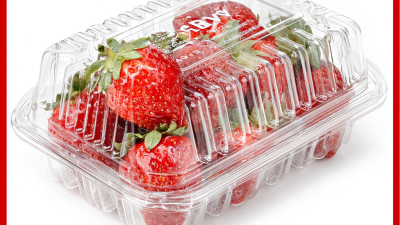
Clamshell packaging is a clear, hinged plastic container that protects a product while keeping it visible. The two halves close around the item and may use heat sealing, tabs, or adhesive labels. Buyers often choose it for small electronics, hardware, personal care items, and retail products that need clean presentation.

Its visibility supports faster shelf inspection. Its rigid structure can reduce crushing during transport. The sealed format may also discourage accidental opening before purchase. In my packaging evaluations, I have found that consistent dimensions improve automated packing and reduce wasted carton space. Still, clamshells are not perfect. They can be difficult to open, and poor design may create unnecessary material use. Product safety and user convenience must be considered together.

Tips: Request samples before placing a large order. Check hinge strength, seal quality, wall thickness, and opening comfort. Test the package inside the intended shipping carton. Measure empty space around the product. Ask suppliers for material details, production tolerances, and quality inspection records. Clear specifications prevent costly misunderstandings across borders. Also, confirm whether the packaging suits local recycling systems. That point is sometimes overlooked. A visually attractive package may perform well in stores but fail during humid transport or repeated handling. Small pilot shipments reveal these weaknesses earlier.

Key Criteria for Evaluating International Clamshell Packaging Suppliers

Selecting an international clamshell packaging supplier requires more than comparing unit prices. I look for documented production experience, stable tooling control, and clear material specifications. Ask for recent samples, not only photographs. Check hinge alignment, closure force, wall thickness, and edge quality by hand. A reliable supplier should explain resin grades, recycled content, and intended applications without vague promises. Shortlist factories that share audit records, testing methods, and realistic capacity figures.

Quality evidence matters. Request dimensional reports, drop-test results, and batch traceability. For food or consumer products, verify applicable destination-market requirements through qualified compliance personnel. Certificates should show scope, issuing body, and current validity. They are not magic documents. Confirm whether the quoted product matches the tested sample. I also review mold ownership, maintenance schedules, and spare-part plans. A low-cost mold can become expensive when repairs stop production for weeks.

Use a written specification with drawings, tolerances, carton counts, and inspection points. Ask how the supplier handles a failed inspection or late shipment. Their answer often reveals more than a sales presentation. I prefer a pilot order before signing a long contract. It exposes surprises in stacking, condensation, and labeling. My own evaluations are not perfect; sampling one production day can miss seasonal variation. Rechecking suppliers after six months is wiser than trusting an old scorecard.

Profiles of the 10 Best Clamshell Packaging Suppliers Worldwide

Profiles of the 10 Best Clamshell Packaging Suppliers Worldwide

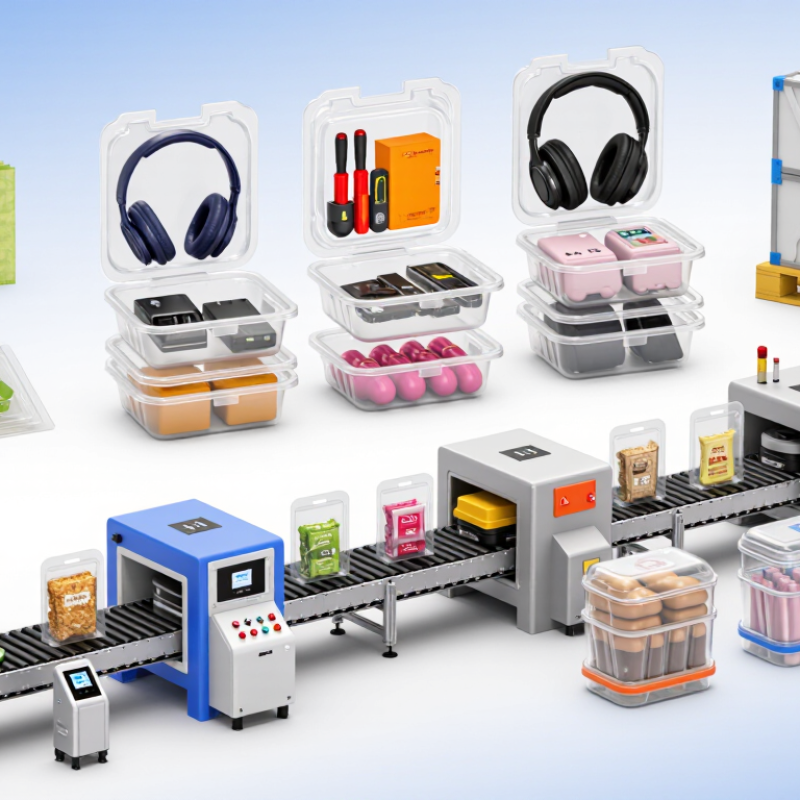
A global buyer should compare suppliers by tooling control, material traceability, and delivery consistency. The first profile is a high-volume thermoforming supplier, suited to retail parts and stable monthly orders. The second focuses on recycled PET, offering clear material records and practical sustainability data. A medical-packaging specialist provides clean production areas, controlled sealing, and documented inspections. The fourth supplier serves electronics, producing tight cavities for cables, adapters, and small components. A produce-packaging manufacturer develops ventilated clamshells with strong hinges and moisture-aware designs. The sixth is a custom engineering supplier, useful for unusual shapes and protective inserts. A rapid-prototyping supplier helps test samples before expensive tooling begins. The eighth combines packaging production with automated packing lines, reducing manual handling. A regional supplier may offer shorter transport routes and faster communication. The final profile is a multinational producer with multiple facilities, useful for buyers needing consistent specifications across regions.

Tips: Request samples from at least three suppliers. Check hinge fatigue, closure force, wall thickness, and carton fit. Ask for production photos, inspection records, and material certificates. A polished sample can still hide weak tooling. We learned that the hard way.

Supplier selection should include a small trial order. Measure shipment accuracy, surface clarity, sealing performance, and response time. Confirm whether replacement tooling, design changes, and export documents are handled internally. Some suppliers promise global coverage but rely heavily on outside partners. That is not always a problem, but it deserves careful questioning before approval.

10 Best Clamshell Packaging Suppliers for Global Buyers? - Profiles of the 10 Best Clamshell Packaging Suppliers Worldwide

Supplier Profile Primary Operating Region Typical Market Coverage Main Clamshell Materials Common Product Applications Customization Capability Manufacturing Strength Recycled or Renewable Options Quality and Compliance Focus Typical Order Flexibility Indicative Lead-Time Range Best Fit for Buyers
Supplier Profile 01
★★★★★
North America North America, Europe, Asia-Pacific RPETPETPVC Retail hardware, electronics accessories, household goods Custom dimensions, hang holes, locking features, printed cards High-volume thermoforming and automated sealing Post-consumer recycled PET options; recyclable mono-material designs Dimensional inspection, seal testing, material traceability Medium to high-volume programs 4–8 weeks after approved artwork and tooling Established retailers requiring consistent international supply
Supplier Profile 02
★★★★★
Western Europe Europe, Middle East, North Africa RPETPETPP Food accessories, personal care, consumer products Recyclability-led structures, embossing, tamper-evident closures Precision tooling and short-run development support Recycled-content formats and plastic-reduction projects Food-contact suitability where applicable; migration and seal checks Small to large commercial orders 5–10 weeks, depending on tooling requirements Buyers prioritizing European compliance and sustainable design
Supplier Profile 03
★★★★☆
East Asia Asia-Pacific, North America, Europe PETPVCPP Toys, stationery, promotional products, small consumer goods Complex shapes, multi-cavity tooling, insert cards, color matching High-speed production for standardized formats RPET availability subject to material grade and order volume Incoming material checks, production sampling, carton inspection Medium to very high-volume orders 4–7 weeks after sample approval Importers seeking broad format choices and competitive production costs
Supplier Profile 04
★★★★☆
South Asia South Asia, Europe, North America, Middle East PETRPETPVC Apparel accessories, craft products, household items Basic to advanced folding designs, custom cavities, printed inserts Flexible production for mixed product specifications Recycled PET and lightweighting options available by project Visual inspection, thickness checks, packing verification Low to medium commercial volumes 5–9 weeks, including sample development Growing brands and distributors requiring adaptable order quantities
Supplier Profile 05
★★★★☆
Central Europe European Union and neighboring markets RPETPETPP Medical accessories, laboratory items, technical components Precision cavities, clean handling, controlled sealing and labeling High-clarity recycled materials where technical requirements permit Documented production controls and traceable raw materials Quality management systems, controlled production, application-specific testing Medium-volume technical programs 6–12 weeks, depending on validation and tooling Technical buyers needing tighter tolerances and documentation
Supplier Profile 06
★★★★☆
Southern Europe Europe, North Africa, Middle East PETRPETPLA Fresh food, bakery accessories, agricultural products Ventilation features, hinged lids, stackable formats, food-display designs Recyclable PET and selected bio-based solutions Thermoforming lines designed for food-packaging formats Food-contact documentation, hygiene controls, seal and fit checks Medium to high-volume orders 4–8 weeks after specification confirmation Food and produce buyers seeking transparent product presentation
Supplier Profile 07
★★★★☆
East Asia Global export markets PETRPETPVC Consumer electronics, tools, toys, promotional merchandise Full-color inserts, barcode areas, security locks, retail-ready formats Automated high-output production and nesting optimization Recycled-content materials available for selected specifications Pre-shipment inspection, barcode verification, drop and seal testing High-volume export programs 5–9 weeks, excluding international freight Global buyers needing scalable retail packaging production
Supplier Profile 08
★★★★☆
North America United States, Canada, Mexico, selected export markets RPETPETPP Hardware, automotive accessories, garden products Heavy-duty walls, reinforced hanging features, custom locking systems Recycled PET structures and material reduction engineering Load testing, closure testing, dimensional consistency Retail packaging specifications and product-protection testing Medium to high-volume orders 6–10 weeks after tooling approval Industrial and hardware buyers requiring durable packaging
Supplier Profile 09
★★★★☆
Western Europe Europe and selected global accounts RPETPETPaperboard Hybrid Beauty accessories, personal care, premium consumer products Paperboard-backed clamshells, premium graphics, anti-tamper features Recycled plastics and reduced-plastic hybrid constructions Design-for-recycling reviews and packaging performance testing Material declarations, recyclability assessment, print-quality control Small to medium premium programs 6–11 weeks, depending on artwork and structure Brands seeking premium shelf presentation with lower material use
Supplier Profile 10
★★★★☆
Southeast Asia Asia-Pacific, Europe, North America PETRPETPP Household accessories, educational products, general merchandise Standard and custom molds, display hooks, snap closures, insert cards Flexible thermoforming capacity for varied order sizes Recycled PET options and lightweight packaging development Production sampling, visual standards, carton drop and packing checks Low to high-volume orders 5–10 weeks after final sample approval Distributors seeking a balance between flexibility and export capability

Note: Lead times, minimum order quantities, material availability, certifications, and export coverage vary by product specification, tooling requirements, order volume, and destination market. Buyers should request current technical and compliance documentation before placing an order.

Comparing Materials, Customization, Pricing, and Production Capabilities

Choosing among the 10 best clamshell packaging suppliers requires more than comparing quoted prices. PET offers strong clarity and impact resistance, while rPET can reduce virgin plastic use. PVC often lowers tooling costs, but recyclability expectations vary by market. A 2024 Smithers report estimates global packaging demand will approach $1.2 trillion by 2028, increasing pressure for lighter, more recyclable formats. Supplier evaluations should include material certificates, food-contact compliance where relevant, and recent test records.

Customization separates capable manufacturers from simple traders. Ask about cavity design, hanging holes, tamper features, color matching, and automated sealing. Production capacity matters too. A supplier with several thermoforming lines may absorb seasonal demand more reliably. However, larger capacity does not guarantee better quality. Check sample consistency, dimensional tolerances, mold ownership, and corrective-action records. Pricing should show tooling, resin, printing, packing, freight, and replacement terms separately. Some quotations look attractive until mold fees appear.

Tips: Request three physical samples. Measure wall thickness at corners. Confirm minimum order quantities and realistic lead times. The Plastics Industry Association reports that thermoforming remains valuable for high-volume packaging because it supports fast, repeatable production. Still, supplier claims deserve testing. In my experience, one overlooked detail is stacking strength; a clear shell may look excellent but crack during warehouse handling. A small pilot order can reveal this weakness before global rollout.

How to Select the Right Clamshell Packaging Supplier for Your Needs

Selecting the right clamshell packaging supplier requires more than comparing unit prices. Start with product protection, material clarity, sealing strength, and tooling capability. Ask for samples using your actual product, not a generic demo piece. Check wall thickness, hinge performance, tamper resistance, and stacking behavior during transport.

The supplier’s sustainability data also deserves careful review. The OECD Global Plastics Outlook reported 353 million tonnes of plastic waste in 2019, with packaging representing about 40% of the total. Request recycled-content evidence, material specifications, and realistic recycling guidance. A supplier should explain whether the clamshell uses PET, RPET, or another polymer, and whether that material suits your market. Verify claims through independent laboratory reports. Marketing language is not enough.

Tips: Compare landed cost, not factory price. Review tooling ownership, minimum order quantities, lead times, and defect policies. Confirm compliance with ISO 18601 principles and applicable food-contact requirements when relevant. Visit the production site if possible. Look closely at housekeeping, batch records, and quality checks. Small details matter. I have seen attractive samples fail after repeated opening, so pilot testing should not be skipped. The most reliable supplier may not offer the lowest quotation; however, buyers should still challenge vague sustainability claims and unclear replacement terms.