China Top 10 Clamshell Packaging Manufacturers
China’s clamshell packaging industry serves electronics, hardware, toys, cosmetics, food, and retail products worldwide. Its manufacturers combine injection molding, thermoforming, blister production, printing, and automated assembly. However, factory capability varies widely. A polished website does not always reveal production reality.
This guide introduces ten notable Chinese manufacturers based on practical purchasing factors. These include material selection, mold development, sealing performance, dimensional accuracy, production capacity, and quality control. Attention also goes to recycled PET, PVC alternatives, transparent visibility, tamper resistance, and packaging designs that reduce transport damage. Clear communication matters too. A strong supplier should provide drawings, samples, test reports, and realistic lead times before mass production begins.
The selected companies may support both standard and customized clamshell packaging projects. Some focus on high-volume retail packaging, while others handle smaller orders with more flexible engineering support. Their experience with export packaging, product protection, and private-label requirements can help international buyers make better decisions. Still, no ranking can capture every strength. A supplier may perform well on price but struggle with tight tolerances. Another may offer excellent molds but limited after-sales support. Details can change over time.
Readers should verify certifications, factory conditions, material claims, and sample quality independently. Ask for recent production evidence. Inspect the hinge, edges, sealing points, and hanging holes carefully. Small defects become expensive when thousands of units arrive. This overview is a useful starting point, not a substitute for supplier audits, technical review, and written quality agreements.

What Is Clamshell Packaging and How Is It Used?
What Is Clamshell Packaging and How Is It Used?
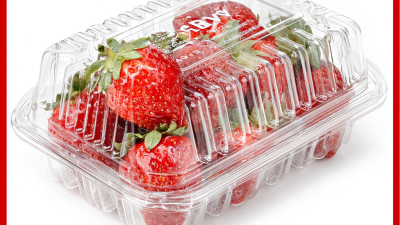
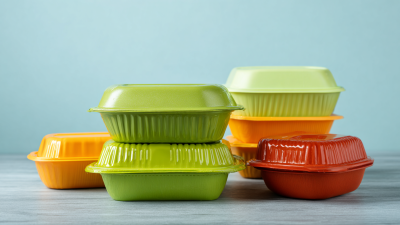
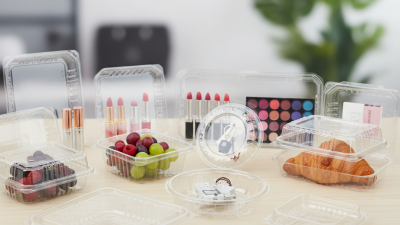
Clamshell packaging uses two connected plastic halves that close around a product. A folded hinge joins them. The package may use heat sealing, snap locks, or adhesive tabs. Clear walls let shoppers inspect color, size, and surface condition without opening the pack. Retailers commonly use clamshells for produce, small electronics, hardware, toys, and personal-care accessories. Hanging holes also support peg displays. The format is practical.
Its protection comes from rigid plastic and a close-fitting shape. A good design keeps dust away and limits movement during transport. Tamper-evident seals can also show visible damage after opening. PET and recycled PET are frequent material choices, while some applications still use other plastics. Material selection should match product weight, moisture exposure, and recycling access. Thin plastic is not always better.
The environmental trade-off needs honest review. The OECD Global Plastics Outlook reports 353 million tonnes of plastic waste in 2019, with only 9% recycled. Eurostat recorded 186.5 kilograms of packaging waste per European resident in 2022. These figures make recovery design important. A clamshell with mixed materials, permanent labels, or dark pigments may be difficult to sort. It can look efficient, yet that impression may mislead. Designers should test opening force, seal strength, material reduction, and local recycling rules before production. Some packages still use more plastic than necessary. That deserves reconsideration.
How China’s Clamshell Packaging Industry Is Organized
China Top 10 Clamshell Packaging Manufacturers
How China’s Clamshell Packaging Industry Is Organized
China’s clamshell packaging industry operates through a layered manufacturing network. Resin producers supply PET, RPET, PVC, or polystyrene materials. Sheet extruders then control thickness, clarity, and forming performance. Thermoforming factories convert sheets into hinged packs, trays, and retail shells. Tooling companies support this process with aluminum molds and precision cutting dies.
The National Bureau of Statistics reported more than 74 million tonnes of plastic product output in China in 2023. This scale supports strong regional specialization. Guangdong and Zhejiang concentrate many packaging converters, while Jiangsu and Fujian add equipment, tooling, and material capacity. According to Smithers’ recent thermoformed packaging analysis, the global market is expanding at a mid-single-digit annual rate through the forecast period. Demand remains linked to electronics, hardware, personal care, and consumer goods.
Quality control separates capable suppliers from low-cost workshops. Buyers should examine sealing strength, hinge fatigue, dimensional tolerance, and migration documentation. The PMMI Packaging Machinery Outlook also highlights automation and inspection as major investment priorities. In practice, factories often combine camera inspection with manual sampling. That combination is efficient, but not perfect. Recycled content can create color variation and forming instability. Supply chains also become less transparent when one supplier outsources molding or printing. A responsible evaluation should therefore review production records, test reports, material traceability, and corrective-action history before comparing the top ten manufacturers.
Profiles of China’s Top 10 Clamshell Packaging Manufacturers
China’s clamshell packaging sector is expanding with retail, electronics, food, and medical-device demand. Fortune Business Insights valued the global plastic packaging market at US$435.38 billion in 2023. It expects a 4.1% compound annual growth rate through 2032. The figure includes clamshells, but it shows the wider commercial pressure.
These ten manufacturer profiles focus on practical capability rather than advertising claims. One specializes in recycled PET sheets and clear retail packs. Another produces heat-sealed trays for small electronic accessories. A third serves fresh food with vented, moisture-resistant clamshells. One focuses on precision blister tooling and short production runs. Another offers automated forming, trimming, and inspection.
A sixth combines paperboard cards with transparent plastic shells. One supports export orders with multilingual documentation and batch traceability. Another emphasizes low-volume prototypes for product testing. A ninth supplies thicker protective shells for hardware components. The tenth competes through integrated mold design, printing, and assembly.
Material choices deserve close review.
Smithers’ 2024 rigid plastic packaging analysis identifies recycled content, lightweighting, and design-for-recycling as major market influences. Yet supplier claims can be uneven. Public information may omit resin percentages, seal-strength results, or actual defect rates. Buyers should request samples, laboratory reports, tooling drawings, and production records. Certification alone is not enough. Ask harder questions. Some factories appear highly capable online, but their cleanroom controls and complaint-response procedures need direct verification. Real performance is often visible in consistent edges, clear folds, stable sealing, and cartons that survive repeated handling.
How to Choose the Right Chinese Clamshell Packaging Supplier
When comparing China’s top clamshell packaging manufacturers, begin with your product, not a supplier list. Define dimensions, hinge strength, wall thickness, closure force, and display requirements. Ask whether the factory produces PET, RPET, PVC, or other suitable materials. Request recent samples with matching thickness and finish. A polished sample can still hide weak hinges. Check the actual production process.
Tips: Send one physical product for fitting tests. Ask for a sample approval record. Measure closure force and edge sharpness. Confirm the carton quantity and packing method.
Reliable supplier selection requires visible evidence. Request factory photos, production videos, quality procedures, and recent inspection records. If packaging touches food or cosmetics, ask for relevant material and safety documentation. Confirm the supplier can meet your destination market’s recycling and labeling requirements. Discuss mold ownership, revision fees, minimum order quantity, lead time, and replacement terms before payment. A written specification prevents many arguments later. Still, it is not perfect. Measurements may change after tooling adjustments. Keep a signed sample and approve every critical revision. A low quotation may exclude molds, inspection, or protective shipping materials. Recheck the full landed cost. Communication also matters; unclear replies often become production mistakes. A capable Chinese clamshell supplier should explain limitations, not promise everything immediately.