Top 10 Brown Paper Suppliers in China for Global Buyers?
Brown Paper is an essential material in various industries. It serves versatile purposes, including packaging, crafting, and printing. As global demand for sustainable and eco-friendly products rises, the significance of high-quality brown paper increases. With many suppliers available, selecting the right partner in China requires careful consideration.
China has emerged as a significant player in the brown paper market. Many suppliers offer a range of grades and finishes to suit diverse needs. Some companies excel in affordability, while others focus on superior quality. However, not all suppliers maintain consistent standards. This variability can make the purchasing process daunting for international buyers.
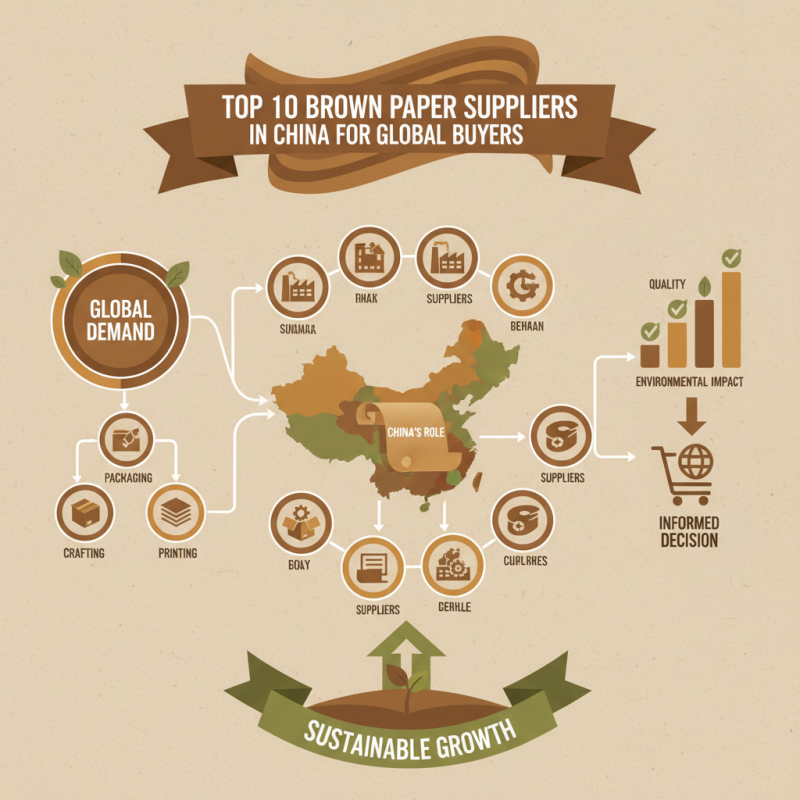
Understanding these dynamics is crucial for making informed decisions. Buyers should evaluate suppliers on quality, reliability, and environmental impact. This evaluation helps ensure that the chosen supplier aligns with business values and product requirements. Exploring the top brown paper suppliers in China will facilitate better choices, paving the way for sustainable growth in global markets.
Overview of the Brown Paper Industry in China
The brown paper industry in China has seen remarkable growth over the past decade. With increasing demand for sustainable packaging solutions, this sector is expected to expand further. According to industry reports, China's brown paper production capacity reached approximately 10 million metric tons in 2022. This growth is fueled by the rise of e-commerce and the need for eco-friendly materials.
Moreover, many suppliers are investing in advanced technologies to improve efficiency. They aim to meet global standards for quality and sustainability. However, transitioning to greener practices poses challenges. Some manufacturers struggle with the costs of modernization and adhering to environmental regulations.
Tip: When sourcing brown paper, consider suppliers who demonstrate a commitment to environmental compliance. This ensures that your materials align with global sustainability goals. It’s advisable to assess the financial stability of potential suppliers. This can prevent disruptions in supply.
In the landscape of the brown paper industry, innovation and sustainability must go hand in hand. As demand shifts, manufacturers must adapt. This constant evolution means that buyers need to keep an eye on trends and emerging challenges.
Key Characteristics of Quality Brown Paper
When sourcing brown paper, quality is paramount. Buyers should look for characteristics that indicate reliability and performance. First, the paper's weight is crucial. A heavier grammage often signifies durability, making it suitable for various applications. Look for options ranging from 70 to 300 GSM, depending on your needs.
Another vital factor is the texture. A smooth finish often allows for better print quality. Textured varieties may add a rustic touch to packaging. The source of fiber also plays a role in sustainability. Many buyers prioritize recycled content to reduce their environmental footprint.
Visual inspection can reveal a lot. Check for uniform color and minimal imperfections. These details greatly affect usability. Always ask for samples before committing to a bulk order. This practice can save time and resources. Quality paper can enhance your brand image and performance.
Criteria for Selecting Reliable Brown Paper Suppliers
When selecting a reliable brown paper supplier, several factors come into play. The quality of the raw materials is paramount. Buyers should ask for samples before making decisions. This helps gauge how well the paper holds up during various uses. It's also wise to examine the supplier's production capabilities. A factory's technology directly impacts the product's consistency and quality.
Moreover, communication is crucial in any business relationship. Suppliers should respond promptly and clearly to inquiries. Delays or vague answers may indicate potential issues. Buyers should also check the supplier's certification and industry experience. A well-established provider often has better processes and standards in place.
Lastly, consider customer reviews and testimonials. Insights shared by other clients can reveal strengths and weaknesses. Still, be cautious; not every review is reliable. This requires critical thinking and further verification. A thoughtful approach will lead to finding trustworthy suppliers.
Top 10 Brown Paper Suppliers in China
This chart illustrates the monthly production of brown paper by the top 10 suppliers in China. The data reflects the tonnage produced, which serves as an important metric for global buyers when evaluating potential suppliers.
Top 10 Trusted Brown Paper Suppliers in China
When sourcing brown paper, it's crucial to find trusted suppliers in China. Reliable vendors ensure quality and consistency in their products. They can affect your entire supply chain. Many suppliers excel in providing eco-friendly options that cater to increasing global demand.
A solid supplier has a proven track record. They invest in quality control processes. Look for those who have certifications related to sustainability. It's helpful to check reviews from past clients. Many suppliers showcase their capabilities online, but it's wise to reach out for samples. This step can save you from potential disappointments.
Communication is key when working with suppliers. Clear expectations can prevent misunderstandings. Some suppliers may not respond quickly, leading to project delays. It's essential to evaluate the responsiveness of a potential partner before making commitments. Also, understand the nuances of shipping regulations in your country. This knowledge proves vital when dealing with international shipments.
Exporting Brown Paper: Challenges and Opportunities for Global Buyers
Exporting brown paper presents unique challenges and opportunities for global buyers. The demand for brown paper has increased significantly, driven by the growth of the packaging industry. In 2022, the global brown paper market was valued at approximately $40 billion, with projections to reach $60 billion by 2028. This growth is fueled by the rise of eco-friendly packaging solutions.
However, sourcing brown paper from China involves navigating various hurdles. Quality control is a critical issue. Importers often face challenges related to the variability in quality standards. Communication barriers can complicate negotiations regarding specifications and compliance. Furthermore, fluctuating raw material prices impact production costs, requiring buyers to maintain flexibility in their budgets.
Sustainability is another critical consideration. As environmental regulations tighten worldwide, buyers must ensure that their suppliers adhere to sustainable practices. Certification standards like FSC (Forest Stewardship Council) require scrutiny. Buyers need to ask penetrating questions to assess the ecological impact of their supply chains. Without thorough research, buyers could inadvertently support unsustainable practices. This reflection is vital for responsible sourcing in today’s market.


