Ultimate Tips for Choosing the Best Poster Mailing Tubes for Safe Shipping
When it comes to shipping artwork, photography, or promotional materials, selecting the right packaging is crucial for ensuring they arrive in perfect condition. Poster mailing tubes, specifically designed for this purpose, have become the go-to solution for many artists and businesses. Expert in logistics and packaging, Dr. Samantha Green, notes, “Choosing the right poster mailing tubes is not just about protection; it’s also about preserving the integrity and value of your artwork during transit.”
With a variety of options available, understanding the specific needs of your materials is essential for making the best choice. Factors such as the size, material, and design of the tubes can significantly impact the safety of your shipment. Whether you are sending delicate prints or sturdy posters, the correct poster mailing tubes can safeguard your items from bending, creasing, or damage during shipping.
Navigating the complexities of packaging can be daunting, but with the right guidance, you can find the perfect poster mailing tubes that meet your requirements. By prioritizing quality and durability, you can ensure that your shipped items arrive in pristine condition, showcasing the artistry and professionalism you intend to convey.

Understanding Different Types of Poster Mailing Tubes Available
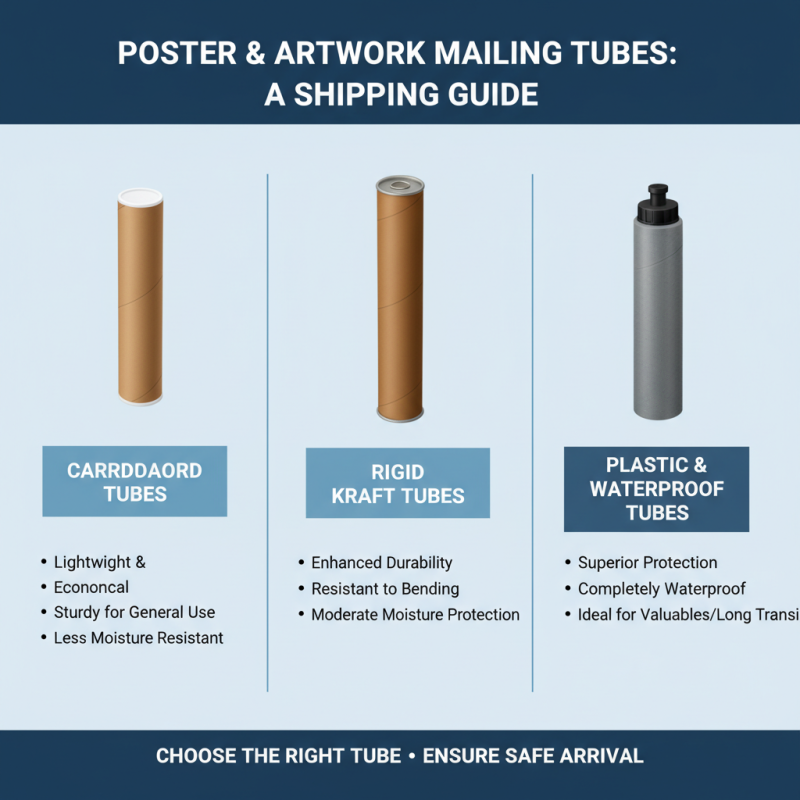
When it comes to shipping posters or artworks, selecting the right mailing tube is crucial to ensure their safety during transit. There are several types of poster mailing tubes available, each designed to cater to different needs. The most common options include cardboard mailing tubes, which are lightweight and economical, making them a popular choice for general use. These tubes typically feature a sturdy construction that can handle regular shipping demands, but they may not offer the highest level of protection against moisture.
Another option is the plastic mailing tube, which is often more durable and water-resistant compared to cardboard. These tubes provide enhanced protection against the elements and can be a great choice for valuable or delicate posters. Additionally, many plastic options come with secure end caps to further safeguard the contents. For those looking for a more robust solution, reinforced mailing tubes are available, providing extra rigidity and impact resistance. This makes them ideal for shipping high-value items or multiple posters at once.
Finally, telescopic mailing tubes are worth considering as they offer adjustable lengths, making them versatile for various poster sizes. This feature allows you to customize the tube to fit your artwork snugly, reducing movement during shipping. By understanding the different types of poster mailing tubes on the market, you can make an informed choice that best suits your shipping needs while ensuring your items arrive safely at their destination.
Evaluating Material Options for Optimal Protection and Durability
When it comes to selecting poster mailing tubes, the materials used in their construction play a crucial role in ensuring optimal protection and durability during shipping. The most commonly used materials for mailing tubes are cardboard, plastic, and metal, each offering distinct advantages. According to a recent industry report, cardboard tubes, while lightweight and cost-effective, can provide robust protection for standard-sized posters. For instance, tubes made from spiral wound cardboard are often recommended for their strength and ability to resist crushing forces, making them ideal for delicate prints.
Plastic tubes, on the other hand, are gaining popularity due to their water-resistant properties and long-term durability. These tubes can withstand harsher shipping conditions without compromising the integrity of the contents. Moreover, industry data indicates that plastic tubes are less prone to warping or bending compared to their cardboard counterparts, making them a reliable choice for valuable or oversized posters.
Tip: When choosing between materials, consider the journey your package will undertake. If it is likely to encounter moisture, opt for plastic to ensure the contents remain undamaged. Additionally, always verify the thickness of the material; thicker tubes generally provide better protection. Another tip is to look for tubes with end caps, which can help secure the contents and prevent tunneling during transit, further enhancing the safety of your posters.
Key Features to Look for in Quality Poster Mailing Tubes
When selecting poster mailing tubes for safe shipping, one of the key features to consider is the material construction. High-quality tubes are typically made from durable cardboard or plastic that can withstand pressure and impacts during transit. According to a report by the Paper and Packaging Board, well-constructed mailing tubes significantly reduce the risk of damage to the artwork, with studies indicating an almost 40% decrease in shipping-related mishaps when using thicker, reinforced materials.
Another crucial aspect to look for is the length and diameter of the tube. An optimal diameter not only accommodates various sizes of posters but also prevents unnecessary bending or rolling. Industry standards suggest using tubes with diameters of at least 3 inches for larger posters to maintain their shape and integrity during transport. Additionally, tubes equipped with end caps or closures provide added protection against environmental factors such as moisture and dust, which can lead to deterioration of the contents. Research from the International Society of Transport and Logistics highlights that effective packaging solutions are essential for maintaining item quality and customer satisfaction, making these features vital considerations.
Ultimate Tips for Choosing the Best Poster Mailing Tubes for Safe Shipping - Key Features to Look for in Quality Poster Mailing Tubes
| Feature |
Description |
Importance |
| Material |
Durable materials such as cardboard or sturdy plastic protect contents. |
High |
| Diameter |
Choose a diameter that accommodates your posters without folding. |
Medium |
| Length |
Ensure the tube is long enough for the largest poster to avoid wrinkling. |
High |
| Ends |
Secure ends to prevent the poster from falling out during transit. |
High |
| Weight |
Lightweight options help reduce shipping costs. |
Medium |
| Reusability |
Consider options that can be reused to promote sustainability. |
Low |
| Customizable |
Custom designs can enhance branding and presentation. |
Medium |
Tips for Selecting the Right Size for Your Shipping Needs
When choosing poster mailing tubes for safe shipping, selecting the right size is crucial to ensure your items arrive in pristine condition. According to a report from the Packaging Institute, approximately 20% of products shipped suffer damage due to improper packaging, with fragile items being particularly vulnerable. This highlights the need for careful consideration when determining dimensions. Ideally, your mailing tube should provide enough space to accommodate the poster without excessive movement while preventing creases or folds.
To begin with, measure your poster's dimensions accurately. Take into account not just the length and width, but also any additional protective materials, such as cardboard inserts or padding. Aim for a mailing tube that allows an inch or two of extra space on each side of the poster. This 'wiggle room' can significantly decrease the risk of compression. But remember, too large a tube can lead to the poster shifting during transit, increasing the chances of damage.
Additionally, consider the wall thickness of the tube. According to the National Association of Manufacturers, a thicker wall can provide better protection for your items during shipping. A wall thickness of at least 3/16 inches is often recommended for posters to ensure adequate safety. In summary, investing time to select the right size mailing tube not only protects your posters but can also enhance your overall shipping experience.
Best Practices for Packing and Securing Posters in Mailing Tubes
When shipping posters, ensuring their protection throughout transit is paramount. According to a report by the Packaging Association, approximately 30% of damage during shipping is attributed to inadequate packaging methods. To mitigate this risk, using mailing tubes specifically designed for posters is essential. These tubes not only provide the necessary rigidity to prevent bending but also come in various diameters to accommodate different sizes of posters. A general rule of thumb is to select a tube that is at least an inch larger in diameter than the rolled poster to allow for easier insertion and removal, which minimizes the risk of tears.
Proper packing practices play a significant role in safeguarding posters. First, it's recommended to roll the posters loosely and use acid-free tissue paper to protect the surface of the prints. This minimizes the chances of creasing and protects against moisture. Additionally, sealing the ends of the mailing tube with high-quality tape can further secure the contents within and prevent any dust or debris from entering. According to a survey conducted by the Shipping Institute, 85% of shippers reported that using effective sealing mechanisms significantly reduces the risk of package tampering and environmental damage.
Lastly, adding a label with clear handling instructions can inform carriers to treat the package with care, acknowledging the fragility of its contents. Following these best practices can greatly enhance the likelihood of delivering posters in pristine condition.