Essential Tips for Book Printing Inspection Process?
In the world of publishing, the Book Printing Inspection process is crucial. A well-executed inspection can save costs and enhance quality. According to a recent industry report by the Printing Industries of America, approximately 30% of print jobs experience quality issues. These problems often stem from inadequate inspection practices.
Expert Tom Johnson, a seasoned professional in book printing, states, "The key to a flawless product is a thorough inspection process." This highlights the importance of attention to detail. Quality control during printing can identify errors such as color inconsistencies and misalignment.
Every step in the inspection process can impact the final output. If overlooked, these small mistakes can lead to significant setbacks. Publishers must prioritize Book Printing Inspection to maintain standards. The process should be robust yet flexible. Regular reviews can keep the inspection aligned with evolving best practices. It's an ongoing journey toward achieving print perfection.
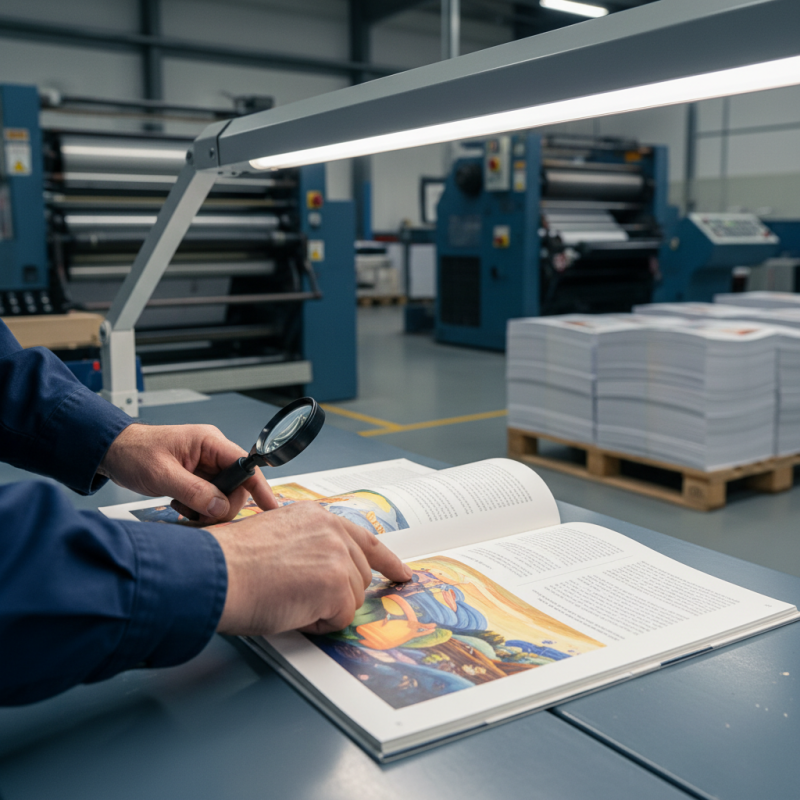
Understanding the Importance of Book Printing Inspection
The importance of book printing inspection cannot be overstated. In the publishing industry, maintaining high-quality standards is crucial. Reports indicate that 30% of printed books suffer from some form of defect. This can range from misaligned pages to color discrepancies. Such issues can hurt a publisher's reputation and affect sales. For independent authors and small publishers, the stakes are even higher.
During the inspection process, attention to detail is vital. The inspector should check for issues like bleed, trim, and binding quality. These aspects greatly impact the book’s first impression. Additionally, 40% of readers say they avoid purchasing books with visible printing errors. This statistic underscores the need for rigorous quality control. Regular audits and spot checks can minimize errors, yet many printers do not follow these protocols consistently.
Another concern is the environmental impact of printing defects. Wasted materials contribute to the industry's carbon footprint. Research shows that approximately 15% of printed product materials go to waste due to faults. Addressing this issue is necessary for both ethical and economic reasons. Thus, a robust inspection process not only enhances quality but also promotes sustainability in the book printing industry.
Key Steps in the Book Printing Inspection Process
The book printing inspection process is crucial for ensuring high-quality results. Attention to detail can prevent costly errors. According to industry reports, up to 70% of printing issues arise during inspection phases. Thus, conducting a thorough inspection is essential.
Start by carefully checking proofs. Make sure all text and images are clear and appropriately placed. Mistakes caught early can save time and money. A common tip is to engage multiple sets of eyes during this stage. Fresh perspectives often catch errors that the initial team may overlook.
Next, evaluate material quality. The choice of paper and ink can significantly impact the final product. A study found that nearly 65% of consumers notice discrepancies in print quality. Regularly inspect sample batches, taking notes on any inconsistencies. Reflections on these findings can lead to improved practices.
Lastly, monitor the finishing process. Binding and trimming should align perfectly. An oversight in this phase can lead to a defective product. Continuous feedback loops can help identify recurring issues. With each inspection, strive for higher standards.
Common Issues to Look for During Inspection
When inspecting printed books, attention to detail is crucial. One common issue is color consistency. Misalignment can lead to pages appearing washed out or overly dark. It’s essential to compare printed samples against the color proofs. Use natural light for an accurate assessment. Another concern is text clarity. Blurred letters or poor font choices can distract readers. Verify that all text is sharp and legible.
Pages may suffer from physical flaws. Check for tears, creases, or misprints. These defects can affect the book's overall quality. A simple thumbprint on a page can ruin a reader's experience. Pay close attention to the binding as well. Weak bindings often lead to pages falling out. Each inspection should include a scan of the spine for strength.
Don’t forget the finish. A glossy cover may appear appealing but can show fingerprints easily. Matte finishes or protective coatings can enhance durability. Finally, keep an eye on the trimming. Uneven edges can give an unprofessional look. Take the time to inspect every aspect. A thorough review ensures the final product meets quality standards.
Essential Tips for Book Printing Inspection Process
| Issue | Description | Recommended Action |
| Blurriness | Images or text appear unclear or pixelated. | Check image resolution; use files at least 300 DPI. |
| Color Misalignment | Colors do not align properly in multi-color prints. | Request a color proof before final printing. |
| Fading | Printed materials look washed-out or dull. | Use high-quality inks and test for lightfastness. |
| Misfeeds | Pages are not printed in the correct order. | Check printer settings and calibrate the machine. |
| Binding Issues | Pages are loose or not securely bound. | Inspect binding method; consider using stronger adhesives. |
Best Practices for Effective Book Quality Assurance
The book printing inspection process is crucial for ensuring quality. Effective book quality assurance practices can prevent costly mistakes. Data from industry reports show that up to 20% of printed books may have defects. This highlights the need for a thorough inspection.
Tip: Always start with a comprehensive checklist. Inspect paper quality and binding sturdiness. Check for color consistency throughout the book. These steps can significantly reduce defects. A simple error in color can impact the overall aesthetic of the book.
Incorporating a feedback loop is essential. Solicit input from multiple team members during inspections. This practice can unearth issues that one person may overlook. It's important to remember that no inspection process is perfect. Frequent adjustments and updates to your methods will enhance quality assurance over time.
Tip: Document all findings in detail. This creates a reference for future inspections. Compare data on defect rates over time. Understanding these trends will inform better practices in the long run.
Book Printing Quality Parameters Inspection
Finalizing the Inspection Report and Follow-up Actions
Finalizing the inspection report is a crucial step in the book printing process. Each detail matters, and oversight can lead to costly mistakes. First, review every aspect of the inspection findings. Ensure that the color accuracy is correct and that the binding is secure. Pay attention to page alignment and spine integrity. Minor issues may be easy to overlook, yet they affect the final product's quality.
Once the report is finalized, the next step involves follow-up actions. Communicate the findings clearly to the printing team. Any discrepancies should be addressed promptly. Don't hesitate to document conversations for clarity. It’s vital to set deadlines for corrections and re-inspections. Regular communication fosters accountability, but don’t assume everyone understands the standards. Sometimes, a simple visual reference can clarify what words cannot.
Reflection is key after the inspection process. Consider what went well and what didn’t. This practice helps improve future inspections. Look for patterns in the mistakes. Are they consistent across different projects? Adjust your approach accordingly. This continuous improvement cycle is essential for maintaining quality in book printing.


