Top 10 Kraft Tube Suppliers for Global Buyers

Choosing a kraft-tube supplier is not just a price comparison. Buyers must check tube dimensions, wall thickness, end closures, print quality, and packing methods. A sample can look sturdy on a desk yet arrive crushed after a long freight journey. Small details matter.

Packaging engineer Maya Chen is a fictional composite expert, not a source of a verified quotation. Her illustrative rule is: “A tube earns trust at the seam, not in the sales sheet.” That is a useful reminder to inspect real samples and ask suppliers how they control consistency between production runs. This guide reviews ten kraft tubes suppliers for global buyers, focusing on practical questions: Can a supplier meet custom sizing needs? Are lead times and minimum order quantities clear? Does the tube protect posters, textiles, components, or other products during handling?

Some comparisons will remain imperfect. Supplier capabilities change, and a polished catalog cannot replace a confirmed sample or written specification. Buyers should verify material details, tolerances, packaging, and shipping terms directly before placing an order. A careful shortlist saves trouble. It also helps reveal which supplier fits the product, budget, and delivery schedule—not merely the one with the lowest quoted price.
Top 10 Kraft Tube Suppliers for Global Buyers

Kraft Tubes: Products, Materials, and Common Industrial Uses

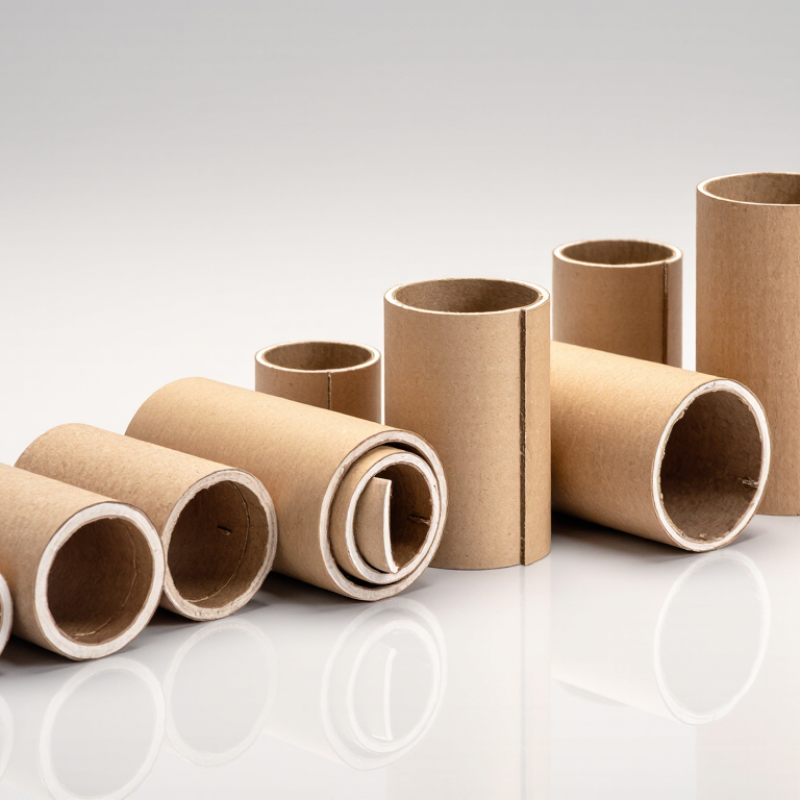
Kraft tubes are usually spiral-wound cylinders made from kraft-paper plies and paperboard. The outer layer can be printed or left plain, while inner plies provide stiffness. Wall thickness, diameter, and moisture resistance vary by intended load. End caps may be paper, plastic, or metal. Small details matter.

Factories use these tubes as cores for winding film, paper, textiles, and adhesive labels. Heavier designs protect long tools or form columns for concrete work. FAO’s Global Forest Products Facts and Figures 2022 reports worldwide paper and paperboard production of about 401 million tonnes that year. That figure describes the broader material sector, not tube output. The U.S. Environmental Protection Agency reported a 68.2% recycling rate for paper and paperboard in 2018. A tube’s recovery depends on its actual construction. Laminated barriers, wet-strength treatments, and mixed-material closures can complicate sorting. Not every tube enters the same recycling stream. In practice, buyers should check crush strength, edge finish, moisture exposure, and dimensional tolerances with suppliers. A sample test helps, though it cannot predict every shipment condition.

Kraft Paper Basis Weights for Tube Construction

The chart shows example kraft paper basis-weight values in grams per square meter (g/m²). These are illustrative material options, not supplier-specific specifications or application averages. Tube strength also depends on factors such as ply count, winding, adhesive, and moisture conditions.

How to Evaluate Kraft Tube Suppliers for Global Purchasing

Top 10 Kraft Tube Suppliers for Global Buyers

How to Evaluate Kraft Tube Suppliers for Global Purchasing

Choosing a kraft tube supplier takes more than comparing unit prices. Check wall thickness, inner diameter, length tolerance, winding quality, and moisture resistance against your actual use. A tube carrying rolled textiles may need different compression strength from one protecting printed posters. Ask for a current specification sheet and samples from the production line, not just a catalog sample. The FAO’s Yearbook of Forest Products 2022 reports roughly 401 million tonnes of global paper and paperboard production. That scale signals a broad raw-material base, but it does not guarantee consistent tube-grade inputs or traceability.

Compare suppliers using the same test requirements. Request compression or crush-test results, recycled-fiber content, fiber-origin documentation, and details on quality checks. Confirm production capacity, minimum order quantities, lead times, and export packaging in writing. A low quote can hide costly variation. One point buyers sometimes overlook: a sample may perform well while a long production run does not. Ask how the supplier controls batch consistency, and agree on acceptable tolerances before ordering. Where available, review recognized management or chain-of-custody certificates, and verify their scope and validity.

Profiles of 10 Kraft Tube Suppliers Serving International Buyers

International buyers compare more than price when sourcing kraft tubes. They assess winding consistency, moisture resistance, core diameter, print quality, and export packing. FAO’s 2022 forest-products statistics put global paper and paperboard output at roughly 401 million tonnes, showing the scale of the material supply base. That figure does not measure tube production, so buyers should still verify each supplier’s capacity and fiber sourcing.

These ten supplier profiles reflect common strengths in the market: integrated mill-backed converters, spiral-wound tube makers, precision core producers, heavy-duty shipping tube specialists, textile roll-core suppliers, food-packaging converters, custom-print workshops, recycled-fiber manufacturers, high-volume export producers, and regional small-batch shops. The best fit depends on the application. A textile buyer may prioritize smooth edges and tight tolerances; a shipping buyer may need crush resistance and reinforced caps. Request samples, dimensional tolerances, test methods, lead times, and export-carton details. No profile is perfect; paperwork or seasonal capacity can still disrupt a sound order.

Tip: Send a drawing with internal diameter, wall thickness, length, load, and humidity conditions. Ask for a sample from the intended production line, not only a showroom piece. Small differences matter.

Comparing Supplier Capabilities, Customization, and Certifications

When comparing kraft tube suppliers, look beyond price and published production capacity. Ask for wall-thickness tolerances, winding method, moisture controls, and sample lead times. A tube holding rolled posters needs different compression strength from one protecting cosmetics or dry goods. Small details matter: request samples with your actual diameter, end caps, and label finish. Check whether the supplier can repeat those specifications across production runs.

Customization should include inner and outer diameters, tube length, paper grade, printing, and closure options. The Smithers report The Future of Paper Packaging to 2028 projects the global paper-packaging market will reach $503.4 billion by 2028, reflecting sustained demand for paper-based formats. That broad market figure does not prove any supplier’s quality. Ask for test records, not just polished capability sheets. Look for a documented quality-management system, such as ISO 9001, and verify any claimed forest-chain certification directly. For products with specific contact requirements, confirm the relevant material documentation for the intended use. Certificates help. They are not a substitute for checking the finished tube.

A practical comparison sheet can record sample results, dimensional variation, defect rates, minimum order quantities, and delivery performance. Request recent inspection data and clarify how rejected batches are handled. One awkward truth: some suppliers may offer more printing options than their process can consistently deliver. Start with a pilot order. Then compare what arrived with what was promised.

Top 10 Kraft Tube Suppliers for Global Buyers - Comparing Supplier Capabilities, Customization, and Certifications

This is a supplier-screening comparison, not a verified ranking of named companies. The profiles describe common kraft-tube manufacturing specializations; actual capabilities, minimum order quantities, lead times, and certifications vary by factory and must be confirmed directly.

Supplier profile Typical product focus Customization to discuss Buyer checks Certification and compliance evidence
1. Standard spiral-wound tube specialist General-purpose paper tubes and cores Length, inside diameter, wall thickness, end finish, and paper grade Dimensional tolerances, winding consistency, and sample approval Request current certificates and confirm the issuing body, validity, and product/site scope.
2. Heavy-wall industrial tube maker Higher-strength cores and protective tubes Wall build-up, strength requirements, cut length, and moisture-resistant options Compression or crush-test method, load conditions, and test reports Ask for applicable quality-system certificates and test documentation; do not assume certification.
3. Precision-cut core producer Narrow-tolerance tubes for converting and winding uses Cut length, squareness, edge finish, and diameter tolerance Measurement method, allowable variation, and inspection records Request the relevant quality documents and confirm they cover the manufacturing location.
4. Printed retail-packaging tube maker Decorative paperboard tubes for consumer packaging Printed wraps, colors, coatings, labels, and closure styles Artwork proofing, color tolerances, finish samples, and packaging tests For regulated uses, request documentation for the exact materials, inks, and intended application.
5. Custom-diameter tube converter Made-to-order diameters and nonstandard tube dimensions Inside and outside diameter, wall thickness, length, and fit requirements Tooling needs, achievable tolerances, setup charges, and production samples Verify any claimed management-system or material certification with the certificate holder.
6. Moisture-resistant tube supplier Tubes designed for specified humid or handling conditions Barrier treatment, outer wrap, adhesive choice, and end protection Define exposure conditions and request test results relevant to those conditions. Check treatment and coating documentation, especially where recycling or regulations matter.
7. Recycled-fiber-focused manufacturer Tubes made with recycled paperboard grades where available Recycled-content target, paper grade, color, and performance specification Ask how recycled content is calculated and whether batch-level evidence is available. Request chain-of-custody evidence if a specific sourcing claim or certification is required.
8. Food-packaging application supplier Paper tubes intended for food-related packaging applications Food-contact liners, closures, barrier layers, and printing requirements Clarify direct or indirect contact, destination market, and applicable regulations before ordering. Require material declarations and compliance documents for the finished structure and intended use.
9. Small-batch or sampling-focused converter Prototypes, trial orders, or limited production runs Prototype dimensions, short-run printing, and design revisions Confirm sample charges, minimum order quantity, and transition terms for repeat orders. Request evidence appropriate to the intended end use; certification availability is supplier-specific.
10. Export-oriented packaging supplier Kraft tubes packed for international shipment Export packing, pallet configuration, labeling, and shipping documentation Confirm Incoterms, packing details, production lead time, and destination-specific import requirements. Check current certificates and export documents directly; requirements depend on product and destination.

Before placing an order, obtain a written specification, approved sample, quotation, production schedule, and copies of any certificates or compliance declarations relevant to the intended application and destination market.

Global Sourcing Factors: Pricing, Lead Times, and Shipping

A useful comparison starts with a complete specification, not a unit price. Share the tube’s diameter, length, wall thickness, end-cap style, and print coverage with each supplier. Then request prices at several order quantities. Setup charges, minimum order sizes, and packing can change the real cost. Cheap can be costly. Compare the landed price, including freight and any handling fees, rather than relying on the factory quote alone.

Lead-time estimates need careful checking. Ask how many working days cover sampling, approval, production, inspection, and packing. A quoted production window may not include sample revisions or busy-season delays. Get key dates in writing and confirm what triggers the production start. Leave room for drift. In my experience, a schedule with clear milestones is more useful than a confident but vague delivery promise.

Shipping deserves attention because kraft tubes are light but bulky. Ask how many units fit on a pallet and how the cartons resist moisture during transit. Request shipping estimates to your actual destination, using the same order volume and delivery terms for each quote. Compare cost against urgency; faster freight may not suit a large replenishment order. Estimates can still miss the mark, so I would build a small buffer into the delivery plan.