What is Desizing Enzyme and How Does It Work?
In the textile industry, the desizing enzyme plays a vital role. This enzyme helps in removing sizing agents from fabric before dyeing. Sizing agents are chemicals that can hinder dye absorption, impacting the final product's quality. By using desizing enzymes, manufacturers can ensure a more uniform dyeing process.
These enzymes work by breaking down the starches and other substances used in sizing. This makes it easier to wash away unwanted residues. However, not all desizing enzymes are equally effective. Some may require specific conditions to work optimally, which can complicate the process. There’s also the challenge of environmental impact. Not all enzymes are eco-friendly.
Despite their advantages, desizing enzymes present some hurdles. The cost of enzyme treatment can be high. If not used correctly, they can lead to fabric damage. Moreover, reliance on enzymes can create dependency issues in manufacturing. Thus, while desizing enzymes offer significant benefits, they also require careful consideration in their application.
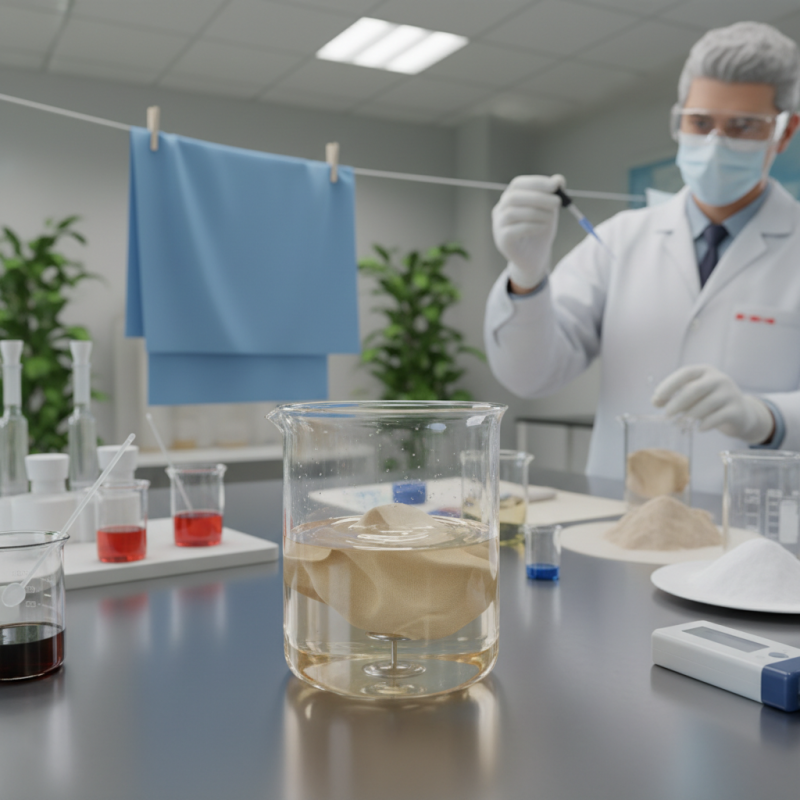
Definition of Desizing Enzyme and Its Importance in Textile Processing
Desizing enzymes play a critical role in textile processing. They are used to remove sizing agents from fabrics, improving their quality and appearance. Sizing agents can make textiles stiff and hard to dye. Therefore, desizing is an essential step in preparing fabric for further processing.
These enzymes work by breaking down the chemical bonds in the sizing materials. They help to dissolve starches, gums, and other substances that may be applied to fabrics. By doing so, desizing enzymes make the fibers more absorbent. This property is vital for achieving vibrant colors during dyeing. An efficient desizing process leads to fewer processing errors.
Tip: When using desizing enzymes, ensure correct temperature and pH levels. This practice maximizes their effectiveness. Incorrect conditions can lead to incomplete desizing, impacting final product quality. Also, be cautious about enzyme concentration. Overusing enzymes may cause fiber damage.
It’s important to remember that not all desizing methods are foolproof. Sometimes, residues can remain on the fabric. It’s worth testing small fabric samples before full-scale application. This approach allows adjustments to be made, ensuring optimal results. The right enzyme choice is crucial as it can affect both efficiency and fabric durability.
What is Desizing Enzyme and How Does It Work?
| Parameter | Description | Importance |
| Enzyme Type | Amylase | Breaks down starch to facilitate removal |
| Chemical Composition | Proteins | Helps in biocatalysis for textile conditions |
| Application Method | Batch or Continuous Process | Ensures efficient desizing in textile processing |
| Temperature Range | 50-60°C | Optimizes enzyme activity |
| pH Level | 6.0-7.0 | Maintains stability and effectiveness |
| Environmental Impact | Biodegradable | Reduces pollution compared to chemical desizing |
Types of Desizing Enzymes and Their Specific Functions
Desizing enzymes play a critical role in textile processing. Different types are used for various fabrics. Amylase is a common desizing enzyme. It specifically targets starches used in sizing agents. When applied, it breaks down starch into simple sugars. This process makes fabric softer and more absorbent, improving dye uptake.
Another type is cellulase, which works on cellulosic fibers. It removes excess sizing while enhancing fabric smoothness. Protease enzymes are effective on protein-based sizes. They dissolve protein films, allowing for better dye penetration.
Each enzyme has its unique function and effectiveness. However, not all enzymes are suitable for every fabric. The choice depends on the specific fibers and sizing agents involved. Sometimes, the results may not meet expectations. Inconsistent enzyme activity can lead to uneven fabric texture. Careful selection and testing are crucial for achieving desired results in the desizing process.
Mechanism of Action: How Desizing Enzymes Break Down Starch
Desizing enzymes are crucial in textile processing. They primarily target starches used in sizing fabrics. This process helps in better dyeing and printing. Starch can make further treatments difficult. By breaking it down, these enzymes ensure a smoother textile surface.
The mechanism of action is fascinating. Desizing enzymes, such as amylases, attack the starch molecules. They hydrolyze the glycosidic bonds, leading to simpler sugars. A study indicates that amylases can achieve up to 90% starch removal within an hour under optimal conditions. This efficiency is significant for the industry. However, not all enzymes work equally well under varying pH and temperature. This inconsistency can lead to uneven desizing.
Optimizing enzyme use comes with challenges. While some fabrics may respond well, others suffer from damage. Water consumption also increases during this process, which raises concerns. The balance between effectiveness and resource use is essential. Continuous research is needed to improve enzyme formulations for various textiles. Addressing these imperfections can lead to more sustainable textile manufacturing.
Factors Influencing the Effectiveness of Desizing Enzymes
Desizing enzymes play a crucial role in fabric processing. They remove unwanted substances from fabrics, such as starch. The effectiveness of these enzymes often depends on several factors. Temperature is one of the most significant. A higher temperature can increase enzyme activity, but too much heat can denature them.
pH levels also matter. Each enzyme works best at a specific pH range. Deviating from this range can hinder their efficiency. For instance, if the pH is too acidic or alkaline, the enzymes may not function properly.
Substrate concentration is another key factor. Enzymes require a proper amount of substrates to work effectively. Too little may lead to incomplete desizing, while too much can create waste. Finally, time plays a role too. Insufficient exposure may yield poor results, but prolonged exposure can negatively impact fabric quality.
Effectiveness of Desizing Enzymes Under Different Conditions
This chart illustrates the effectiveness of desizing enzymes under various conditions such as temperature, pH level, enzyme concentration, and time. The data demonstrates that optimal conditions significantly enhance the desizing process's efficiency.
Applications of Desizing Enzymes in the Textile Industry
Desizing enzymes play a critical role in the textile industry. They remove sizing agents from woven fabrics. These sizing agents can impede dye absorption, reducing color quality. In recent years, the market for desizing enzymes has expanded significantly. According to a report by Grand View Research, the global enzyme market in textiles is projected to reach $2.4 billion by 2026.
These enzymes offer several benefits. They improve fabric softness and enhance dye uptake. This leads to richer, more vibrant colors. Additionally, using desizing enzymes is environmentally friendly. Unlike traditional chemical desizers, they reduce water and chemical usage. The reduction in pollution levels is essential, as studies show textile production is responsible for over 20% of global wastewater.
However, there are challenges to consider. Not all fabrics react the same way to enzymes. Some textiles may require specific formulations. It's also crucial to monitor enzyme concentration. An imbalance can lead to incomplete sizing removal. As the industry evolves, finding the right balance remains a work in progress. Efficient application of desizing enzymes necessitates ongoing research and field trials. As producers seek sustainable solutions, the journey continues.


