How to Choose the Right Clamshell Packaging for Your Products?
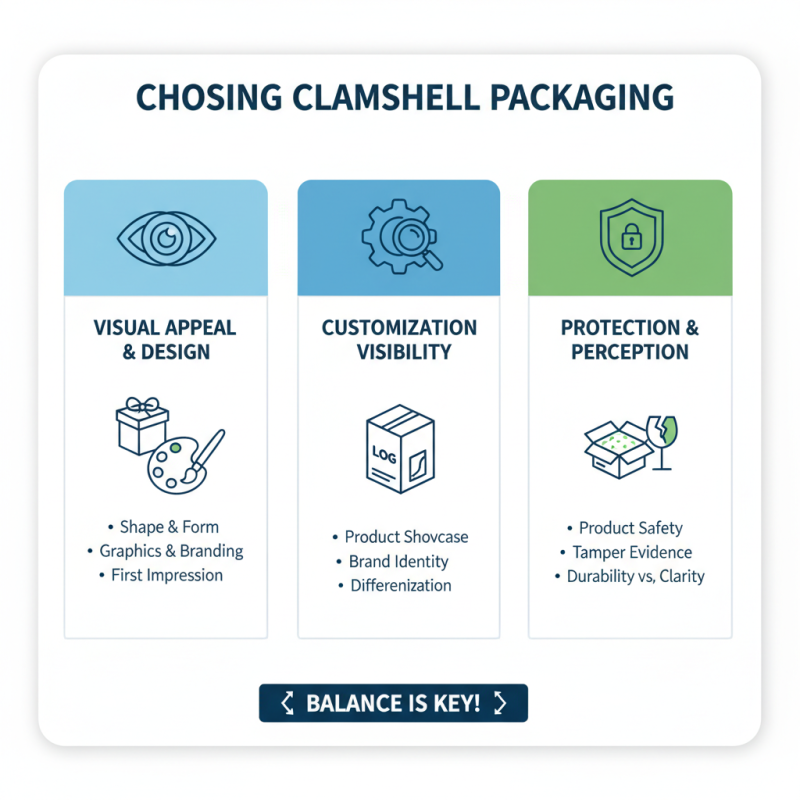
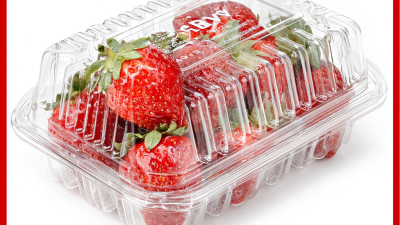
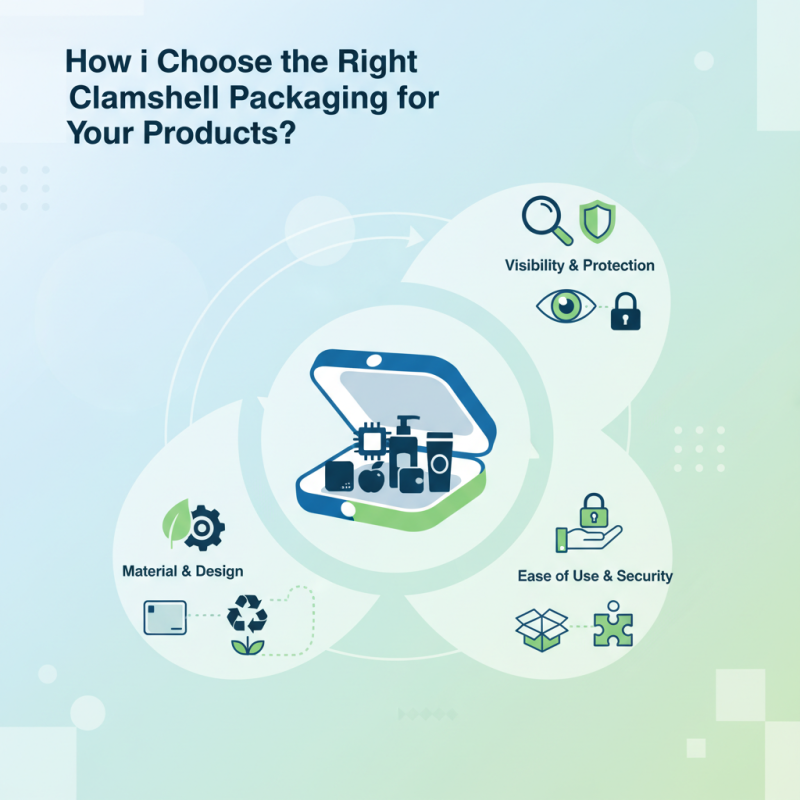
Choosing the right clamshell packaging is essential for any product. This type of packaging is widely used in various industries, including food, electronics, and cosmetics. Clamshell packaging provides visibility and protection for your items. It allows customers to view the product while ensuring it remains secure during transport.
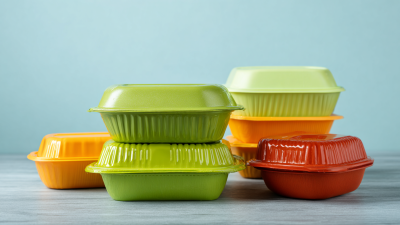
When selecting clamshell packaging, consider the specific needs of your product. The material and design play a crucial role in durability and aesthetics. Clear plastic options emphasize your product's features. However, not every clamshell option meets environmental standards. Sustainable choices are increasingly demanded by consumers.
Reflecting on functionality, remember that ease of use is vital. The clamshell design should be easy to open but remain secure. Some designs can be frustrating, leading to customer dissatisfaction. Striking the right balance between protection and accessibility is essential for success. Always evaluate your options thoroughly.
Understanding Clamshell Packaging and Its Benefits
Clamshell packaging is a popular choice for many products. It offers a clear view of the item inside. This transparency can boost sales. According to a recent market report, the global clamshell packaging market is expected to grow by 4.5% annually. This growth is driven by increased demand in retail sectors.
One significant benefit of clamshell packaging is its durability. Made from materials like PET or PVC, it's sturdy and offers excellent protection. This helps reduce product damage during shipping. However, it is important to note that not all types provide the same level of protection. Some brands have noticed damage rates of up to 10% with inadequate clamshell designs.
Another advantage is sustainability. Many consumers prefer eco-friendly options. In fact, over 70% of shoppers have cited sustainability as a key buying factor. However, there are still questions about recycling clamshell packs, as not all facilities accept them. Brands should seek materials that align with eco-friendly practices. Opting for biodegradable or recyclable materials can enhance brand reputation. It's crucial to continually improve packaging strategies to meet both consumer expectations and environmental standards.
Clamshell Packaging Benefits by Type
Identifying Your Product's Requirements for Packaging
When selecting clamshell packaging, understanding your product's needs is essential. Evaluate the size, shape, and weight of your items. A packaging solution must securely house the product. If it doesn’t fit well, it can lead to damage during transport. Consider materials too; they should offer sufficient protection while appealing to customers.
Think about the end-user experience. Clamshell packaging should allow easy access. If it's difficult to open, users may get frustrated. Sometimes, design elements overlook usability for aesthetics. Balancing both is vital. Reflect on your previous packaging choices. Did they enhance or detract from the unboxing experience? Take notes on consumer feedback and adjust accordingly.
Lastly, sustainability plays a role. Eco-friendly options are becoming more popular. Ask yourself if your choice aligns with your brand values. It is crucial to weigh benefits against environmental impact. Perhaps exploring biodegradable materials could benefit both your product and the planet. Prioritize these aspects to ensure your clamshell packaging meets all essential requirements.
Evaluating Different Materials for Clamshell Packaging
When selecting clamshell packaging, material choice is critical. Various materials offer different benefits. For instance, polyvinyl chloride (PVC) is flexible and durable. It provides excellent visibility for products. However, PVC is not the most sustainable option. This raises concerns for environmentally conscious businesses.
On the other hand, polyethylene terephthalate (PET) is a recyclable alternative. It maintains strength without sacrificing clarity. Yet, some might find its cost slightly higher. It’s essential to weigh cost against sustainability. Consider what the target audience values more. Will they appreciate the eco-friendly aspect or the lower price?
A third option is polystyrene. This material is lightweight and often cheaper. It molds easily into various shapes. But it lacks the strength of PVC and PET. This can lead to damaged products. Reflecting on these materials and their limitations is crucial. Understanding your product’s needs will guide your decision. Choose wisely to create an effective packaging solution.
Considering Environmental Impact and Sustainability Factors
When choosing clamshell packaging, it's vital to consider environmental impact. Many consumers are increasingly eco-conscious. According to a recent survey, 75% of shoppers prefer sustainable packaging options. This statistic highlights the need for brands to adapt.
Using materials like recycled PET can significantly reduce environmental harm. Reports show that using recycled materials can cut carbon emissions by up to 60%. However, not all clamshell designs support recycling. If a product can't be properly recycled, it contributes to waste. This is a critical issue that brands must address.
Moreover, the production of clamshell packaging often involves energy-intensive processes. Many manufacturers are now exploring biodegradable materials. Yet, the market for these options remains limited. A recent study revealed that 40% of companies still rely on traditional plastics. This reliance poses a challenge. Brands need to innovate and rethink their packaging strategies. Reducing plastic waste is essential for a sustainable future.