2025 How to Choose the Right Blister Pack Packaging for Your Products
Choosing the right blister pack packaging for your products in 2025 is a critical decision that can significantly impact your brand's visibility, product protection, and consumer satisfaction. As businesses continue to navigate the complexities of the modern marketplace, understanding the nuances of blister pack packaging becomes essential. This type of packaging not only serves a practical purpose by safeguarding products against environmental factors and tampering but also enhances the user experience through convenience and ease of use.
In the ever-evolving landscape of product packaging, several factors must be taken into consideration when selecting the ideal blister pack solution. This includes evaluating the nature of the product being packaged, the target audience, and sustainability practices. Additionally, using blister pack packaging can help differentiate products on the shelves, creating an appealing aesthetic that resonates with consumers. By carefully assessing these elements, companies can make informed choices that elevate their packaging strategy and align with their overall brand goals.

Understanding Blister Pack Packaging and Its Benefits
Blister pack packaging is a widely used solution designed to protect and display products ranging from pharmaceuticals to consumer goods. Its unique structure typically consists of a pre-formed plastic cavity, or blister, heat sealed to a backing, which can be made of cardboard or aluminum. This design provides a protective barrier against moisture, dust, and contaminants, ensuring that products remain in optimal condition until they are ready for use. Additionally, the transparency of blister packs allows consumers to see the product clearly, enhancing visual appeal at the point of sale.
The benefits of blister pack packaging extend beyond mere protection and visibility. One significant advantage is the customization potential; businesses can tailor the shape and size of blister packs to meet specific product requirements. This adaptability not only helps in optimizing space during shipping and storage but also facilitates branding opportunities through unique designs. Furthermore, blister packs are often lightweight and cost-effective, making them an economical choice for manufacturers looking to balance quality with affordability. By understanding these benefits, businesses can make informed decisions when selecting blister packs that align with their product specifications and goals.
2025 Blister Pack Packaging Usage by Industries
Key Factors to Consider When Choosing Blister Pack Materials
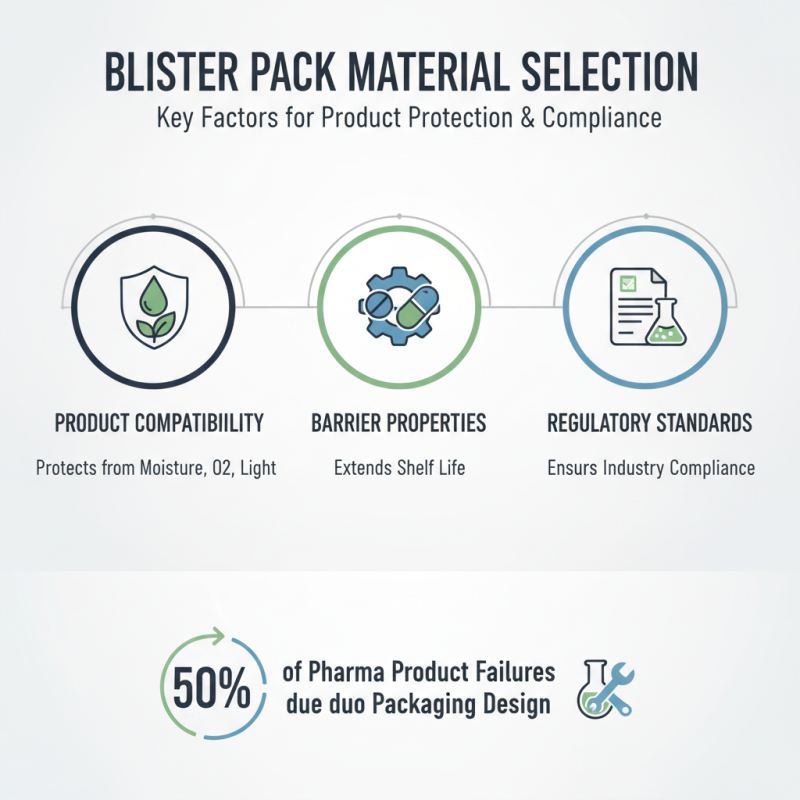
When selecting the right blister pack materials for your products, various key factors must be taken into account to ensure both functionality and compliance with industry standards. First and foremost, consider the compatibility of the material with the product it will hold. According to a report from Smithers Pira, approximately 50% of pharmaceutical product failures are attributed to package design issues. This highlights the importance of selecting materials that protect products from moisture, oxygen, and light, which can significantly impact their shelf life and effectiveness.
Additionally, the sustainability of blister pack materials is becoming increasingly important. A recent study by the Flexible Packaging Association noted that over 70% of consumers prefer environmentally friendly packaging. Options such as recyclable or biodegradable materials are gaining popularity, prompting manufacturers to consider eco-friendly alternatives like PVC-free options or those made from plant-based materials. Not only does this meet consumer demand, but it also aligns with global sustainability goals, helping brands to enhance their market appeal and reduce environmental impact.
Finally, securing the appropriate regulatory approval is crucial, particularly in sectors like pharmaceuticals and food packaging. Regulatory bodies, such as the FDA and EU regulations, have strict guidelines regarding the safety and efficacy of packaging materials. Failing to comply can lead to significant financial and reputational damages. Therefore, thorough testing and validation of the chosen blister pack materials is essential to ensure they meet safety standards and regulations while effectively protecting the product inside.
Comparing Different Types of Blister Packs for Various Products
When selecting blister pack packaging for products, it's crucial to consider the type of blister pack that best meets the needs of the item being packaged. Various blister pack configurations exist, including cavity, carded, and clamshell designs, each serving unique purposes. A report by Smithers Pira highlights that the global blister packaging market is expected to reach $21 billion by 2025, driven by increased demand across multiple sectors, including pharmaceuticals and consumer goods. This growth necessitates an understanding of the nuances between blister types to ensure optimal product protection and user convenience.
Cavity blister packs are commonly used for products that require sturdy support, such as small electronics or toys. These packs offer excellent visibility while keeping items secure. On the other hand, carded blister packs, often utilized in the pharmaceutical sector, provide a tamper-evident solution that enhances product safety. According to a study from Grand View Research, the pharmaceutical blister packaging segment is predicted to witness a compound annual growth rate (CAGR) of 6.9% from 2023 to 2030. Clamshell packages, which allow for easy opening and closing, are favored for items that benefit from repeated usage, such as tools and household items.
Understanding the specific attributes and advantages of various blister pack designs can significantly impact product performance and consumer satisfaction. By aligning packaging choices with product requirements and industry trends, businesses can enhance their market competitiveness and appeal to customers seeking quality and convenience.
Designing Blister Packaging for Maximum Product Protection and Appeal
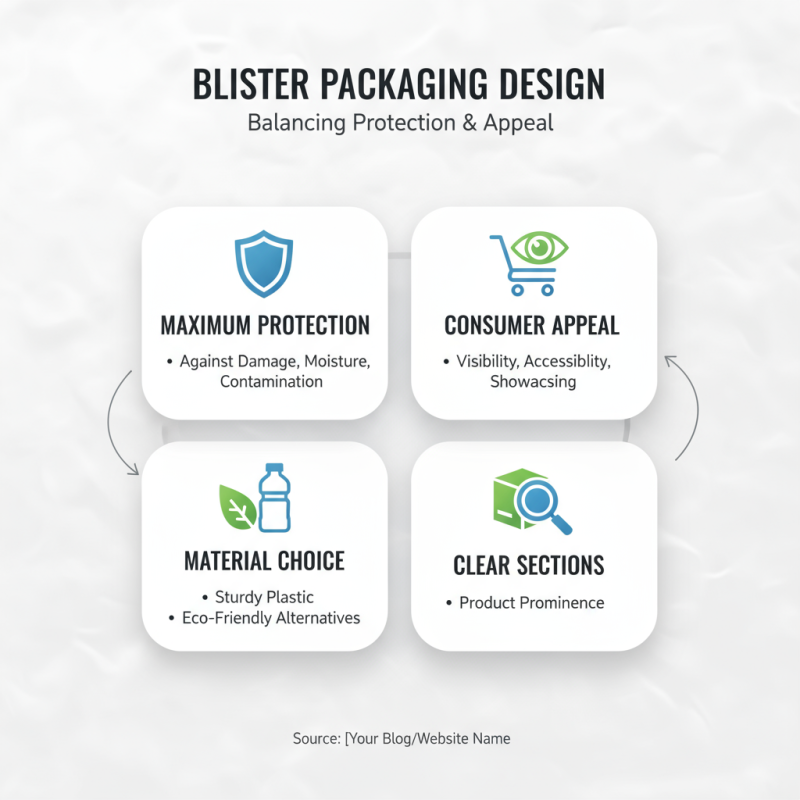
When designing blister packaging, the primary goal is to ensure maximum product protection while also capturing consumer appeal. A well-thought-out blister pack not only safeguards products from external damage, moisture, and contamination but also enhances visibility and accessibility for consumers. The choice of materials plays a crucial role in achieving these objectives; using sturdy plastic or environmentally friendly alternatives can help maintain the integrity of the product while still being visually engaging. Utilizing clear sections in the design allows the product to be showcased prominently, attracting potential buyers' attention.
In addition to material selection, the shape and design of the blister pack significantly impact its effectiveness. Custom molds can be created to fit the product perfectly, minimizing movement within the packaging and preventing damage during transport. Furthermore, incorporating design elements such as vibrant colors, informative graphics, and easy-to-read labels can boost consumer engagement. These features not only make the packaging more appealing but also provide essential information at a glance, enhancing the overall user experience. By focusing on both protection and aesthetics, brands can create blister packaging that stands out on the shelf and delivers the desired functionality.
Regulatory Compliance and Safety Standards for Blister Packaging
When selecting blister pack packaging for products, it is crucial to prioritize regulatory compliance and safety standards. According to a report by Smithers Pira, the global market for blister packaging is projected to reach over $30 billion by 2025, driven largely by the necessity for materials that meet stringent safety regulations. Various agencies, such as the FDA in the United States and the European Medicines Agency, impose specific requirements on packaging materials, especially in sectors like pharmaceuticals. Compliance with guidelines—such as those relating to material safety, barrier properties, and child-resistant features—ensures that the packaging not only protects the product but also safeguards consumer health.
Moreover, safety standards are pivotal in the selection process of blister packaging. The ASTM International standards provide benchmarks for the performance of materials used in blister packs, examining factors such as puncture resistance and chemical resistance. According to a 2022 report from MarketsandMarkets, nearly 48% of manufacturers consider material safety as a primary concern. In addition to regulatory compliance, adhering to these safety standards minimizes risks of contamination and enhances the product's overall integrity. As the industry evolves, companies must stay updated with regulatory changes to ensure that their packaging solutions remain compliant and safe for consumers.