2026 How to Choose Plastic Clamshell Containers for Packaging?
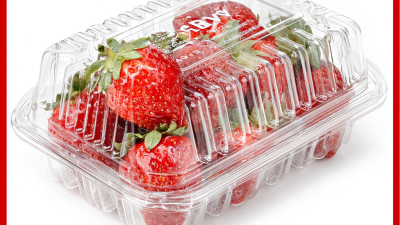
When considering packaging solutions, plastic clamshell containers stand out for their versatility and convenience. These containers are widely used across various industries, from food service to retail. They offer transparency, allowing consumers to view products without opening the packaging. This visibility can enhance sales in a competitive market.
Choosing the right plastic clamshell containers requires careful thought. The material, size, and shape all influence usability and customer satisfaction. It is essential to evaluate the specific needs of your products. While some containers are designed for delicate items, others are built for sturdiness. Finding the right balance is key.
Research shows that the wrong choice can lead to product damage or poor consumer perception. Understanding the different types available is crucial. Consideration of sustainability can also impact your decision. While plastic clamshell containers are practical, reflecting on their environmental footprint is necessary. The choice you make can influence both performance and eco-friendliness.
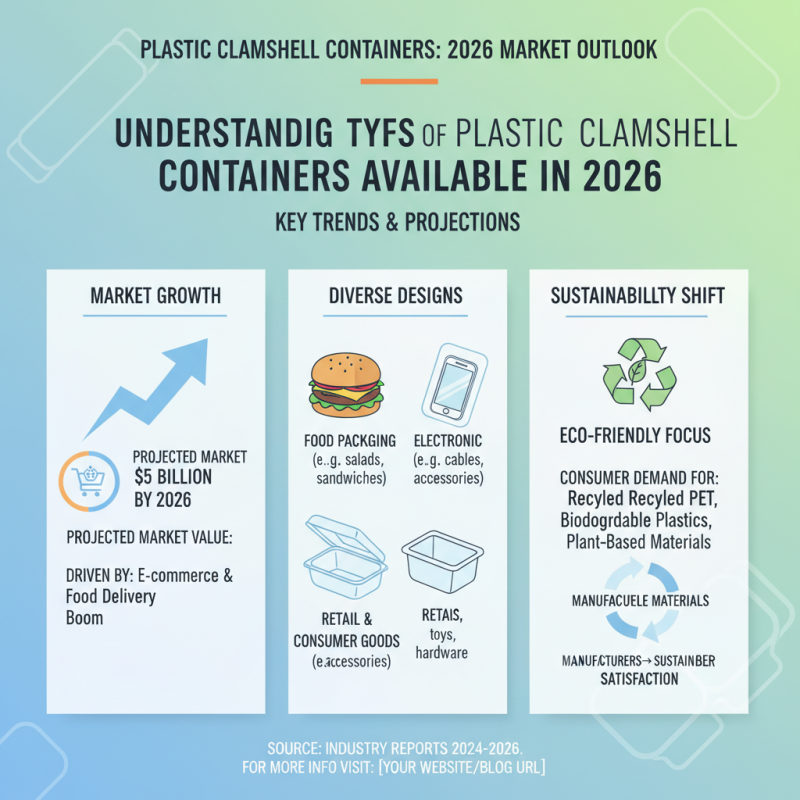
Understanding Types of Plastic Clamshell Containers Available in 2026
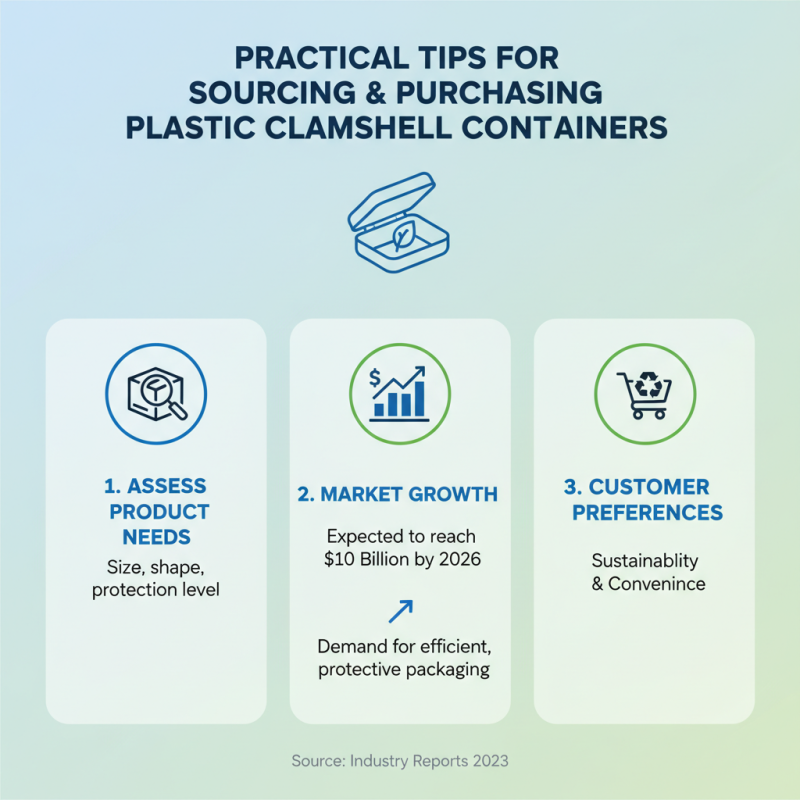
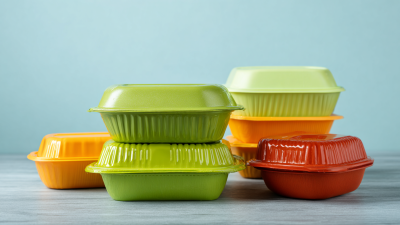
When it comes to packaging in 2026, understanding the types of plastic clamshell containers available is crucial. The market for these containers is projected to reach approximately $5 billion by 2026, driven by growing e-commerce and food delivery sectors. Different designs cater to various needs, from food packaging to electronic gadgets. Many manufacturers now focus on sustainable materials, reflecting consumer demand for eco-friendly options.
Rigid clamshells are popular for their strength and transparency. They provide excellent protection while showcasing the product. However, the challenge lies in their recycling. Reports indicate that only about 9% of plastic is recycled globally, prompting discussions on improved end-of-life options. Meanwhile, flexible clamshells offer a lighter alternative but may not provide the same level of protection. This creates a dilemma for companies striving to balance cost, quality, and sustainability.
Moreover, the innovation in materials is noteworthy. Some companies explore bioplastics, which may not break down easily in natural conditions. This adds complexity to the decision-making process. As businesses navigate these choices, it’s essential to weigh the benefits against potential environmental impacts. Selecting the right clamshell is not just about the product's safety; it’s about its legacy.
Key Factors to Consider When Choosing Plastic Clamshell Containers
When selecting plastic clamshell containers, several key factors demand attention. Material choice plays a crucial role. Most clamshells are made from PET or PVC. PET is recyclable and considered more environmentally friendly. PVC, while durable, poses potential recycling challenges. Understanding the material's properties will help guide your decision.
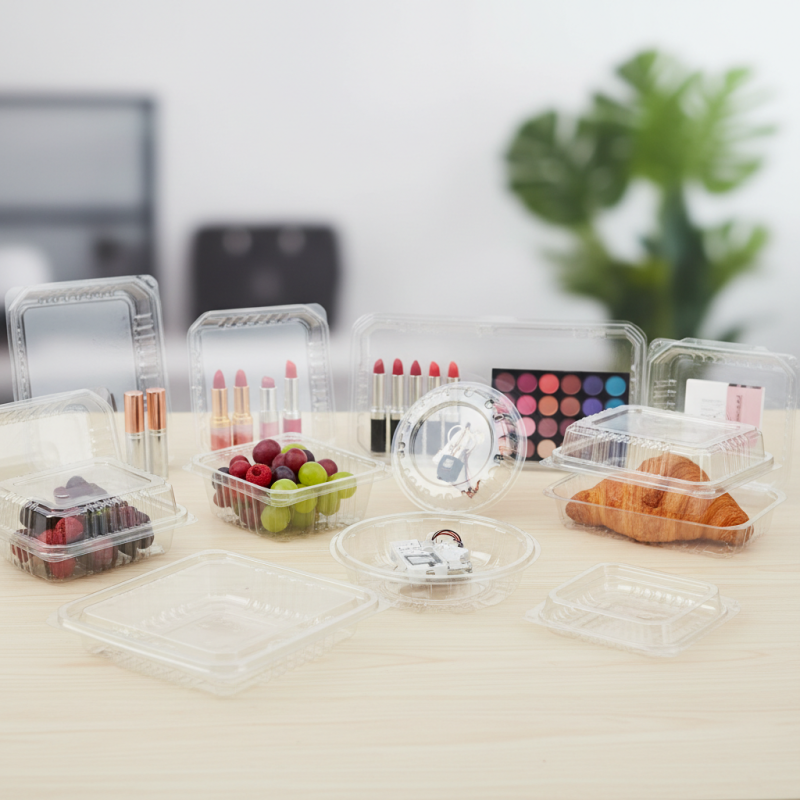
Another essential factor is size and shape. Clamshells come in various sizes to fit different products. For food items, a snug fit prevents spoilage. Transparency is also critical. Clear containers allow customers to view the product. This can enhance marketability. Be mindful, however, that thicker materials might obscure the product.
Consider the closure style too. A secure latch ensures product safety during transport. However, overly tight closures can damage some items. Reflecting on your specific packaging needs will lead to a more informed choice. Lastly, think about labeling options. Having a smooth surface for labels is advantageous, but some might require a textured finish. Balancing these factors will ultimately affect your packaging's effectiveness.
2026 How to Choose Plastic Clamshell Containers for Packaging? - Key Factors to Consider When Choosing Plastic Clamshell Containers
| Factor |
Description |
Importance Level |
| Material Type |
The type of plastic used, such as PET, PVC, or PS, affects durability, clarity, and recyclability. |
High |
| Size and Shape |
Consider the dimensions and design that best fit your product. |
High |
| Closure Type |
Choose between snap-lock, hinge, or tamper-evident designs for security and freshness. |
Medium |
| Transparency |
Clear containers enhance visibility and appeal to customers. |
Medium |
| Eco-Friendliness |
Check if the materials used are recyclable or biodegradable. |
High |
| Cost |
Budget constraints can influence the choice of materials and suppliers. |
Medium |
| Product Compatibility |
Ensure the container is suitable for the specific product you intend to package. |
High |
Assessing the Environmental Impact of Plastic Clamshell Packaging
The environmental impact of plastic clamshell packaging is increasingly scrutinized. According to a report from the Plastic Pollution Coalition, approximately 300 million tons of plastic is produced globally each year. A significant portion ends up in landfills and oceans, posing threats to wildlife and ecosystems.
While plastic clamshells offer convenience, they also raise concerns. Data from the Ellen MacArthur Foundation indicates that only 9% of plastic waste is recycled effectively. Many clamshell containers are made from polystyrene or polyethylene, which are challenging to recycle. This creates a cycle of waste that harms our environment. The carbon emissions associated with the production of these plastic items are another area for reflection, as producing one kilogram of HDPE generates around 3.5 kilograms of CO2 emissions.
It's crucial to consider alternative materials or biodegradable options. Some companies are exploring plant-based plastics, which can reduce environmental footprints. Despite the challenges, such innovations are steps towards more sustainable packaging solutions. The industry faces a dual imperative: balancing functionality and reducing environmental harm. Stakeholders must evaluate their choices closely to foster responsible practices.
Comparing Cost and Quality of Different Plastic Clamshell Options
When selecting plastic clamshell containers, it’s essential to balance cost and quality. Affordable options may be tempting, but they can compromise product safety. Look for containers that meet industry standards. Quality materials ensure durability and protection for your items. Cheaper products tend to warp under heat, leading to potential product loss.
Tips: Consider the weight of your products. Lightweight containers can save on shipping costs. However, ensure they provide adequate protection. Test various suppliers to evaluate their offerings. Gathering samples before bulk purchasing can save future hassles.
A visual inspection can be invaluable. Ensure the clarity of the plastic displays the product well. Poor visibility can confuse customers. Reflect on your target audience. Premium items may warrant higher quality containers. Budget-focused products can still shine with the right packaging; just find the right balance.
Comparison of Plastic Clamshell Containers: Cost vs. Quality