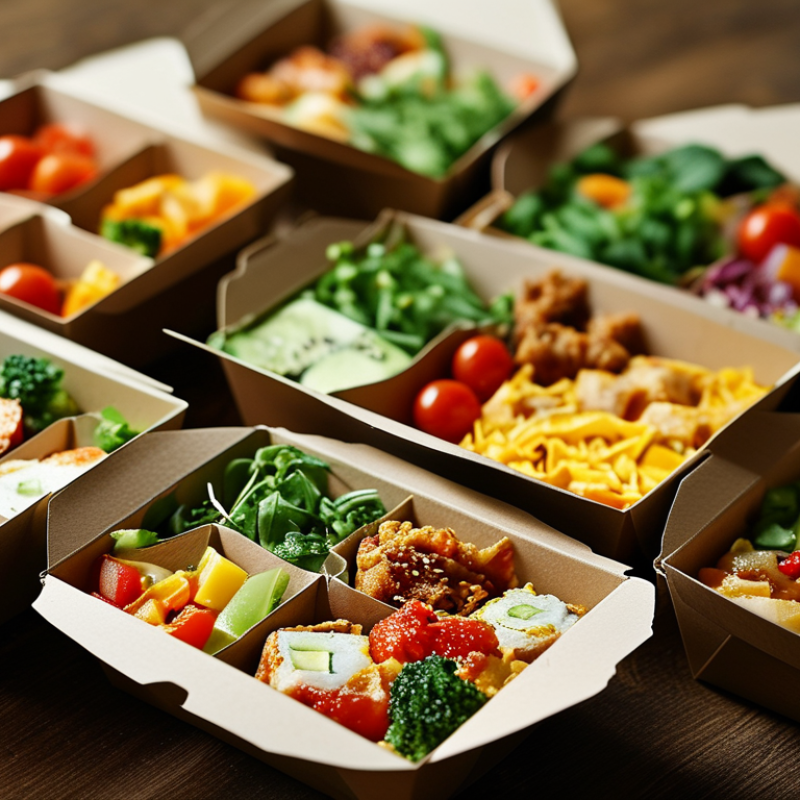
How to Choose the Best Takeaway Food Boxes for Your Business?
Choosing the right takeaway food boxes for your business is crucial. These boxes not only hold your delicious meals but also represent your brand. A well-designed box can enhance customer experience and elevate your business's image.
Consider the materials used in takeaway food boxes. Eco-friendly options are becoming increasingly popular. They appeal to environmentally conscious consumers. However, durability is also vital. You need boxes that can withstand various weather conditions.
Think about the size and shape of the boxes. Your menu items dictate this choice. Large boxes may hold more, but they can be bulky. On the other hand, smaller boxes might not be adequate for certain dishes. Striking the right balance takes time and careful consideration.
Understanding Different Types of Takeaway Food Boxes Available in the Market
When selecting takeaway food boxes, understanding the types available is crucial. There are several options, each tailored for different cuisines and needs. For instance, containers made from biodegradable materials are popular for environmentally conscious businesses. These boxes not only reduce waste but also appeal to eco-friendly consumers.
Another type is the insulated box, ideal for hot dishes. They help maintain temperature during delivery. Some boxes are designed for specific foods, like burger boxes or sushi trays. These specialized options prevent spills and ensure the food looks appealing upon arrival. Custom designs can also make your brand stand out, yet they often require a larger investment.
However, not all takeaway boxes are created equal. Quality matters greatly. Cheaper materials may lead to leaks and poor presentation. Sometimes, businesses compromise on durability for cost. This can backfire and harm the brand's reputation. Evaluating the balance between price and quality is essential. Customize your choice based on what food you serve and how it’s delivered. Understanding these factors can enhance your customers' experience significantly.
Takeaway Food Box Types Popularity
Evaluating Material Options: Sustainable vs. Cost-Effective Choices
When selecting takeaway food boxes, businesses face a pivotal choice: sustainable materials or cost-effective options. Sustainable packaging, often made from recycled content or biodegradable materials, appeals to eco-conscious consumers. This choice can enhance a brand's image, signaling responsibility and care for the environment. Customers may appreciate receiving their meals in packaging that reduces plastic use. However, the challenge lies in balancing this with operational costs.
On the other hand, cost-effective materials can significantly lower expenses. Cardboard and certain plastics often come at a fraction of the price. These options may not always possess the same environmental benefits but can be practical for businesses operating on tight budgets. It is essential to assess how much quality and sustainability matter to your customers. Using cheaper materials might save money in the short run, yet could harm your brand's reputation if perceived negatively.
Ultimately, the decision is not black and white. Companies should reflect on their values and customer expectations. Finding the right balance between sustainability and cost is not easy. Consider experimenting with packaging solutions that incorporate both aspects. Reassessing their choices regularly can lead to improvements and a better alignment with customer preferences.
How to Choose the Best Takeaway Food Boxes for Your Business?
| Material Type | Sustainability Rating | Cost per Unit ($) | Durability Rating | Recyclability |
| Paper | High | 0.15 | Medium | Yes |
| Plastic | Low | 0.10 | High | No |
| Biodegradable Plastic | Medium | 0.20 | Medium | Yes |
| Foam | Very Low | 0.08 | High | No |
| Aluminum | Medium | 0.30 | Very High | Yes |
Analyzing Customer Preferences: Size and Design Impact on Sales
Choosing the right takeaway food boxes is crucial for any business. Customers have distinct preferences regarding size and design. An eye-catching design can boost sales significantly. A well-thought-out box can enhance the overall dining experience, making customers more likely to return.
It’s essential to consider the size of your food boxes. A box too small may not fit larger meals, while an oversized box can make portions look insufficient. Striking the right balance ensures that customers feel satisfied. The design should reflect the brand identity. Unique designs can make your brand stand out in a crowded market.
Tips: Always gather feedback from customers about their packaging preferences. This input can guide future decisions. Test different sizes and designs to see what resonates most. Incorporate eco-friendly materials; customers appreciate sustainability in packaging.
Examining Industry Trends: The Growth of Eco-Friendly Takeaway Packaging
As consumers become more eco-conscious, the takeaway food industry is responding with a shift towards sustainable packaging. Eco-friendly takeaway packaging is gaining traction, and businesses need to adapt. Using biodegradable materials not only appeals to customers but also helps the environment. This trend reflects a significant change in consumer expectations and industry standards.
When selecting takeaway boxes, consider the materials. Look for options made from recycled or compostable materials. These choices often resonate better with your clientele. Sustainable packaging may cost more initially. However, it can lead to increased customer loyalty. Customers enjoy knowing they contribute to a greener planet with their purchase.
Tips: Embrace local suppliers who specialize in eco-friendly products. Research their certifications to ensure reliability. Test different styles and sizes of boxes to see which work best for your menu. Engaging customers in your sustainability efforts can also enhance their dining experience. Encourage feedback on your packaging choices. It's essential to refine your approach continually.
Calculating Cost-Effectiveness: Balancing Quality and Budget for Your Business
When choosing takeaway food boxes, cost-effectiveness is key. Many businesses overlook the balance between quality and budget. A recent industry report indicates that 47% of restaurants cite packaging costs as a major expense. Selecting the right materials can significantly impact both quality perception and overall expenses.
For example, biodegradable boxes may cost more upfront, but they attract eco-conscious customers. In fact, 73% of consumers are willing to pay extra for sustainable packaging. This shows a growing trend businesses should consider. However, not all eco-friendly options provide the necessary durability. Finding a suitable supplier who offers reliable products at competitive prices is crucial.
Additionally, businesses might feel pressured to choose cheaper alternatives. While this can save money, it often leads to poor customer experiences. Almost 60% of customers report dissatisfaction with subpar packaging. This could result in lost sales. Business owners should continuously assess their packaging strategies, weighing cost against customer feedback and product integrity. Adapting to these insights can lead to better long-term profitability.