What is Blister Packaging and How Does It Work?
Blister packaging has emerged as a vital component in various industries. This innovative packaging solution significantly enhances product protection and ensures consumer safety. According to a recent report by Smithers Pira, the global blister packaging market is projected to reach $60 billion by 2025, reflecting a growing demand for efficient packaging solutions.
Renowned expert in packaging technology, Dr. James Harrison, emphasizes the importance of this method: "Blister packaging provides optimal protection while improving shelf life." This speaks volumes about its impact on consumer goods, pharmaceuticals, and electronics. Blister packaging not only safeguards products but also allows for excellent visibility and branding opportunities.
However, it isn't without challenges. The recycling of blister packaging materials often poses issues for manufacturers and consumers alike. Many still struggle with the disposal of these packages responsibly. As the industry progresses, improving sustainability practices in blister packaging remains a crucial area for reflection and innovation.
What is Blister Packaging?
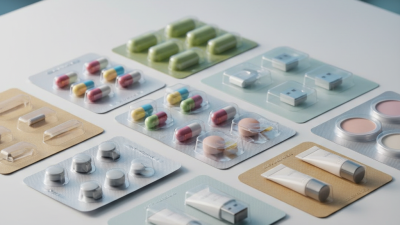
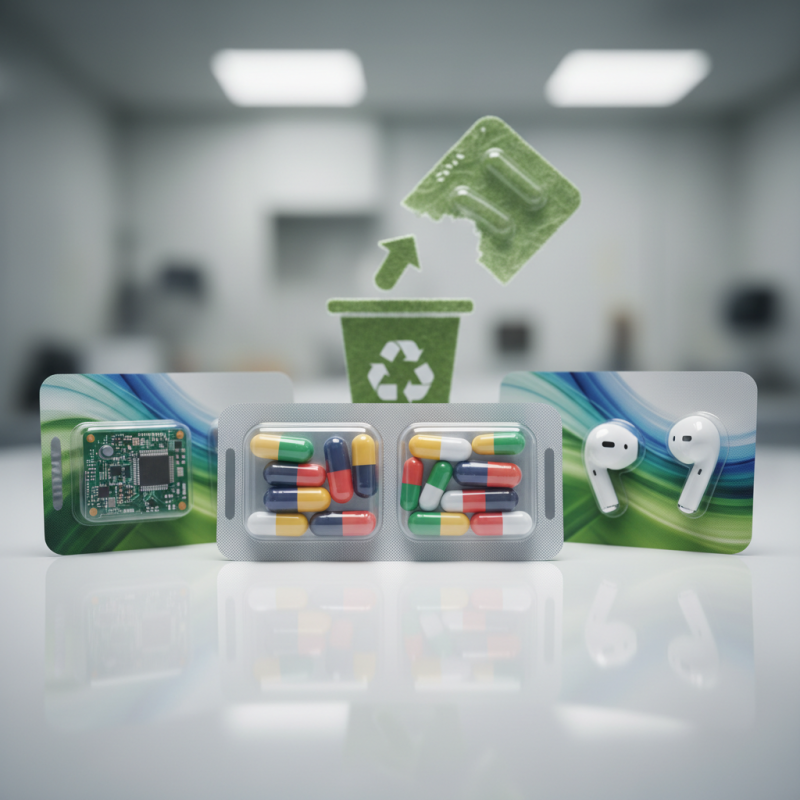
Blister packaging is a popular method used to protect and display products. It consists of a pre-formed plastic shell, often made from PVC or PET, that securely holds the item. A paperboard backing is typically used, creating a sealed unit. This design allows for visibility while providing essential protection. It's widely seen in the pharmaceutical and consumer goods industries.
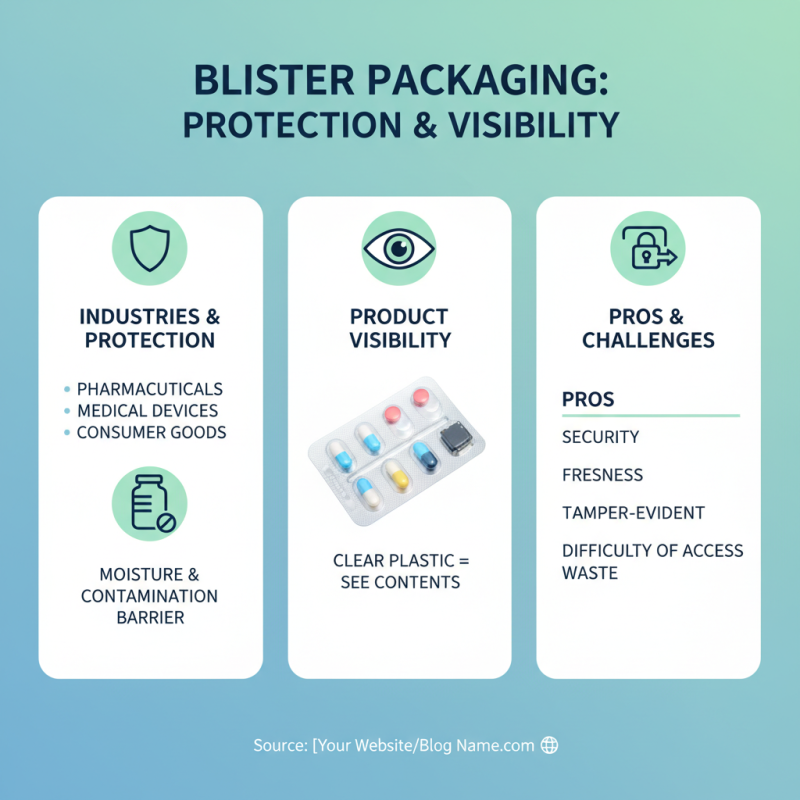
Many people appreciate blister packaging for its effectiveness. It keeps items safe from moisture, dust, and damage. Moreover, it offers convenience for customers. However, some may find it frustrating to open. Sharp edges and tight seals can pose challenges. This has led to calls for improvements in design. A balance needs to be struck between security and user accessibility.
Sustainability is another concern. Traditional blister packs are not easily recyclable. This poses questions about waste and environmental impact. Some companies are exploring eco-friendly alternatives. However, innovations are slow, and consumers are left pondering. The challenge remains to find solutions that satisfy both safety and sustainability.
The Components of Blister Packaging
Blister packaging is a popular choice in various industries. Its components are crucial for functionality and protection. The primary material in blister packaging is PVC. This plastic helps keep products safe from moisture and external contaminants. According to a recent industry report, nearly 40% of pharmaceutical products utilize PVC-based blister packs.
Another key component is the lidding material. Often made from aluminum or paper, it seals the product securely. The lidding must be easy to tear open for consumers. However, achieving the right balance between strength and tearability can be challenging. A study revealed that improper sealing might lead to product spoilage, highlighting the need for precision in the manufacturing process.
Moreover, blister packs often incorporate child-resistant features. This is essential for medications to prevent accidental ingestion by children. The design should promote safety without making it too difficult for adults to open. Some designs may seem overly complicated, leading to user frustration. This calls for ongoing evaluation of effectiveness in real-world scenarios to optimize usability.
This chart provides an overview of blister packaging components, including material type, production speed, cost per unit, and waste percentage. Understanding these factors helps in optimizing the blister packaging process.
How Blister Packaging is Manufactured
Blister packaging is a popular choice for many industries. The manufacturing process is fascinating and involves several key steps. First, a heat-sealed plastic sheet is created. This forms the base of the blister. Then, molds are used to shape individual compartments. These compartments are designed to hold specific products securely.
After the blister is formed, the next step involves filling it with items. This can include pills, small devices, or consumer goods. The filling process might seem simple. However, accuracy is crucial. Each compartment must be filled correctly to prevent damages. After filling, a backing material is applied. This can be paperboard or plastic, which keeps the items safe.
Quality control is essential throughout this process. Mistakes can lead to wasted materials and time. Sometimes, the filling machine may jam. This happens more often than one might think. Workers must stay vigilant. They should check for defects during each production run. This constant attention to detail ensures that the blister packaging remains effective and reliable.
The Benefits of Using Blister Packaging
Blister packaging is gaining popularity in various industries, particularly in pharmaceuticals and consumer goods. According to market research, the global blister packaging market is expected to reach $32 billion by 2026. This surge is attributed to the rising demand for convenient and protective packaging solutions.
One significant benefit of blister packaging is its ability to enhance product visibility. Transparent blisters allow consumers to see the product before purchasing. This feature is crucial in a competitive market. Additionally, blister packs often include tamper-evident seals, which address safety concerns. The packaging protects items from environmental factors and prolongs shelf life.
However, the environmental impact of blister packaging raises concerns. While it provides excellent protection, the materials used can contribute to waste. Companies are exploring more sustainable options, but these alternatives may not always match blister packaging's performance. The challenge lies in finding a balance between functionality and environmental responsibility. As the industry evolves, more eco-friendly innovations are needed to meet consumer expectations.
What is Blister Packaging and How Does It Work? - The Benefits of Using Blister Packaging
| Aspect |
Description |
Benefits |
| Materials Used |
Plastic sheets and aluminum foil |
Durable, moisture-resistant, and tamper-evident |
| Common Products |
Pharmaceuticals, electronics, and food items |
Protects sensitive products and minimizes damage |
| Process |
Forming, filling, sealing, and cutting |
Efficient packaging with high automation potential |
| Customization |
Various shapes, sizes, and printing options |
Enhanced brand recognition and consumer appeal |
| Cost Efficiency |
Lower material costs with reduced waste |
Increases profit margins |
Common Applications of Blister Packaging
Blister packaging serves various industries, offering both protection and visibility for products. It's commonly used in pharmaceuticals, where it secures pills and tablets. This packaging type keeps medications safe from moisture and contamination. Clear plastic blisters allow consumers to see the product clearly. However, accessing these items can sometimes be tricky.
In the retail world, blister packaging is popular for small electronic devices and accessories. Items like batteries or chargers are often sold this way. This design keeps products secure while displaying important information. Nevertheless, some consumers find it wasteful. The hard plastic can be difficult to recycle. There’s a growing concern about environmental impact.
Food packaging also utilizes blister designs, especially for single servings. Items like cheese or fruits are wrapped in this way. It maintains freshness and extends shelf life. On the downside, not all blister packs are recyclable. Some consumers may struggle with the excess waste they produce. These issues require attention as industries evolve.