Top 10 Benefits of Machine Vision Inspection for Quality Control?
Machine Vision Inspection (MVI) has transformed quality control across various industries. According to a report by Markets and Markets, the machine vision market is expected to grow to $12 billion by 2026. This rapid growth highlights the increasing reliance on automated inspections. Companies are adopting MVI for its ability to enhance precision and reduce human error.
Quality control is crucial. Traditional methods often struggle with consistency and speed. In contrast, MVI systems can inspect thousands of items per minute. They detect defects that may go unnoticed by the human eye, ensuring better product quality. However, the integration of MVI systems is not without challenges. The initial costs can be high, and training personnel to operate these systems requires time and effort.
Despite these hurdles, the benefits of Machine Vision Inspection are clear. It improves efficiency and lowers overall operational costs. Businesses experience fewer returns and increased customer satisfaction. As various sectors continue to embrace this technology, understanding its benefits becomes essential for staying competitive.
Key Features of Machine Vision Inspection Systems
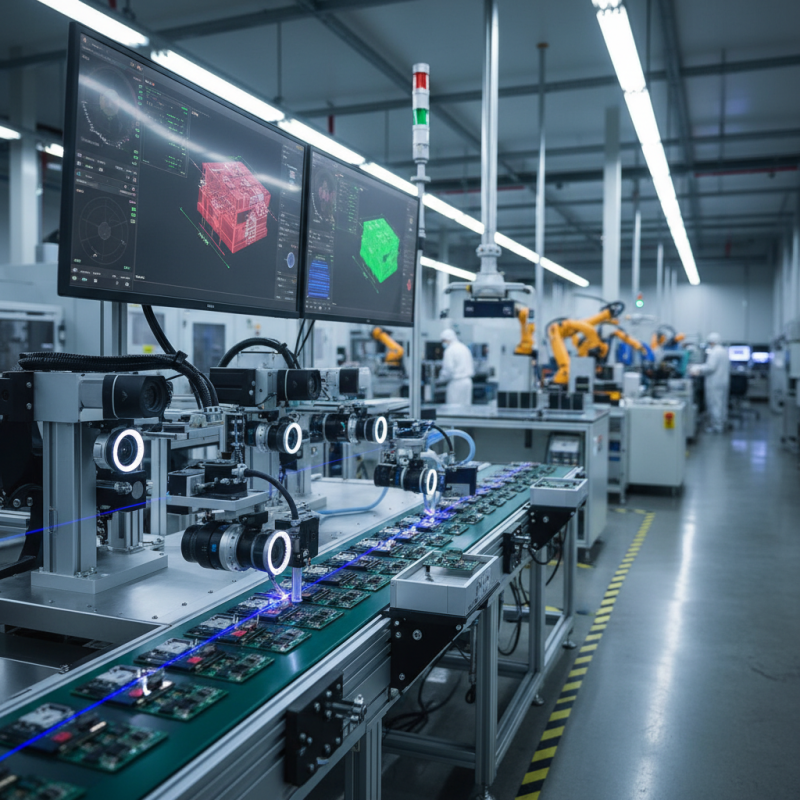
Machine vision inspection systems offer several key features that enhance quality control. One notable feature is high-resolution imaging. This allows for the detection of minute defects that are often invisible to the naked eye. A small scratch or a misplaced component can lead to significant issues down the line. By identifying these flaws early, manufacturers can reduce waste and improve product reliability.
Another critical aspect is real-time analysis. These systems can process images instantly, providing immediate feedback. This rapid response helps in quickly identifying production anomalies. Workers can adjust parameters on the fly.
However, this reliance on technology poses a challenge. Systems may produce false positives or negatives. Regular calibration and maintenance are essential to minimize these errors.
Integration with other production systems is also vital. Machine vision can easily connect with data management software. This creates a comprehensive view of manufacturing processes. It improves overall efficiency and accountability.
Nevertheless, businesses must invest time in training staff. Understanding the technology and interpreting data is crucial for success. Each of these features has strengths and weaknesses but ultimately contributes to a more robust quality control process.
Enhancing Accuracy and Consistency in Quality Control
Machine vision inspection is transforming quality control processes. It enhances accuracy and consistency significantly. The ability to capture and analyze images at high speed reduces human error. This technology can detect defects that are invisible to the naked eye. For manufacturers, this means fewer product returns and higher customer satisfaction.
One tip is to carefully choose the lighting for your machine vision systems. Proper lighting improves image clarity. High contrast helps in identifying defects more easily. Consider the surface textures of the products being inspected. Textured items can present challenges in achieving clear images.
Another critical aspect is ongoing calibration and maintenance. Over time, cameras can drift out of alignment. Regular checks can prevent this and maintain consistency. Yet, it’s easy to overlook this step. Frequent audits can help ensure systems are performing optimally. Remember, no system is perfect. There will always be unpredictable variables that require adaptation.
Reducing Production Costs through Automated Inspection
Automating inspection with machine vision can significantly reduce production costs. This technology swiftly identifies defects or inconsistencies on the assembly line. The process involves high-speed cameras and sophisticated algorithms to analyze each product. Traditional methods can be slow and prone to human error, leading to increased costs.
Tips: Regularly calibrate your vision systems. This ensures accuracy and efficiency. Consider the quality of lighting. Poor lighting can affect image quality, leading to missed defects.
Another notable impact is the improvement in throughput. With automated inspection, products can be checked in real-time. This reduces the need for rework and scrap. Operators can focus on more critical tasks, enhancing productivity. However, there is a need for ongoing monitoring. Misalignment in cameras or software updates can create challenges.
Tips: Invest in training for your team. Well-trained personnel can better manage the technology and troubleshoot issues. Regularly review inspection criteria to adapt to changing product standards.
Improving Product Traceability and Compliance Standards
Machine vision inspection enhances product traceability significantly. According to industry reports, 82% of manufacturers rely on clear labeling systems to track batch information. Machine vision systems integrate seamlessly with these systems. They capture high-resolution images of products and analyze visual data instantly. This technology ensures that each item is marked correctly and consistently.
Compliance standards become easier to maintain with machine vision. Automated inspections can detect defects or deviations that manual checks might miss. A recent study showed that incorporating machine vision reduced non-compliance incidents by 45%. Accurate inspections provide vital documentation. This is essential for industries such as food and pharmaceuticals, where safety is paramount. However, not all implementations yield flawless results. In some cases, the technology may misinterpret visual signals, leading to unnecessary rejects.
Traceability and compliance can also raise ethical questions. As products become easier to track, concerns about data privacy emerge. Manufacturers must find a balance between efficiency and consumer trust. Detecting fraud or counterfeit products is crucial, but it requires transparency. In this evolving landscape, reflections on technology's role become necessary. As automation grows, so does the need for responsible practices.
Integrating Machine Vision with Existing Quality Control Processes
Integrating machine vision into existing quality control processes can enhance inspection accuracy. This technology rapidly analyzes products, identifying defects that might be missed by the human eye. Imagery from production lines is processed in real-time. This ensures consistent quality across batches. However, implementation isn’t always seamless. Existing workflows may need adjustments to accommodate new systems.
Careful planning is essential. Staff may require training to operate machine vision tools effectively. Some may resist change, feeling unsure about new technology. This can create frustration. It’s important to address these concerns and highlight benefits. Regular feedback can help refine the integration process, ensuring smoother transitions.
Data collected from machine vision can provide insights into manufacturing trends. This helps in identifying recurring defects and potential process improvements. However, without proper analysis, this valuable information can be overlooked. Companies must stay proactive in utilizing data to maintain high-quality standards. It’s a continuous journey, demanding regular reflection and adaptation.


