Choosing the best plastic vials for global buyers in 2026 requires more than comparing unit prices. Procurement teams must examine material performance, closure integrity, sterilization compatibility, and documented regulatory support. A vial that survives filling may still fail during transport, inspection, or long-term storage.
Recent reports from Smithers and Grand View Research indicate continued growth in pharmaceutical packaging demand, driven by biologics, injectable medicines, and decentralized healthcare. However, market forecasts use different definitions and databases. Their figures should guide research, not replace supplier verification. This matters because a small variation in wall thickness can affect sealing, breakage resistance, and dosing accuracy.
Material selection is highly application-specific. Polypropylene offers strong chemical resistance and broad processing flexibility. HDPE can provide useful moisture protection. COP and COC may support demanding injectable applications, but they often increase material and tooling costs. Buyers should request extractables and leachables data, container-closure integrity results, sterilization validation, and batch traceability. FDA packaging guidance, USP <661.1>, and relevant ISO practices can support a structured review, while local requirements still need confirmation.
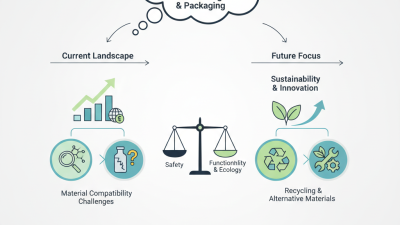
The best option is rarely the cheapest one. Sometimes, it is not the most advanced material either. A practical 2026 evaluation should balance protection, manufacturability, recyclability, supply continuity, and total delivered cost. Sustainability claims also require caution. Recyclability depends on local collection systems, material design, and contamination controls. A polished datasheet is helpful, but audited evidence is stronger.
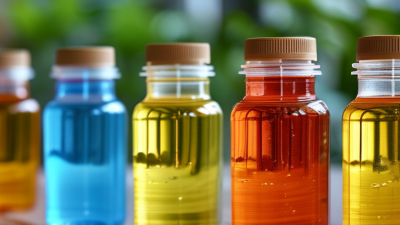
Plastic vials are small containers made from polymers such as polypropylene or polyethylene.
They protect liquids, powders, and diagnostic materials during storage and transport. Unlike glass, plastic usually weighs less and resists shattering. That matters when shipments cross several climates and handling points.
Global buyers choose plastic vials for practical reasons. Their lower weight can reduce freight pressure. Their flexible designs also support screw caps, dropper tips, and tamper-evident closures.
Grand View Research reported that the global pharmaceutical packaging market could grow at about 9.7% annually from 2024 to 2030. Plastic formats are expected to benefit from this demand.
The World Health Organization also emphasizes packaging quality, stability, and supply reliability in its pharmaceutical quality guidance. However, plastic is not automatically safer. Some formulations may absorb into polymers or react with additives. That assumption needs testing.
Tips:
Check chemical compatibility, extractables, light protection, closure fit, and temperature limits. Request migration and stability data before purchasing. Inspect wall thickness and leakage performance, not only unit price. ASTM and USP-based testing can support more reliable comparisons. A lightweight vial can still fail if its cap seal is weak. Small details matter.
Choosing plastic vials starts with the product, not the catalogue photo. High-density polyethylene suits many moisture-sensitive powders and solid formulations because it offers chemical resistance and practical stiffness. Polypropylene tolerates higher temperatures and supports sterilization, making it useful for laboratory and healthcare applications. Cyclic olefin polymers provide low extractables and strong optical clarity, but their cost can limit routine use.
Design matters just as much. A narrow-neck vial reduces dosing spills, while a wide-mouth format helps users remove powders with a spatula. Tamper-evident closures improve trust during transport. Child-resistant systems may suit household medicines, but they can slow access for elderly users. Fit matters. The closure, liner, and body must be tested together.
Grand View Research estimated the global pharmaceutical packaging market at more than 100 billion US dollars in 2023, with continued growth expected through the decade. Smithers’ 2024 packaging analysis also identifies lightweighting and higher barrier performance as major development priorities. These figures support efficient plastic designs, but they do not replace compatibility testing. USP <661.1> and ISO 15378 offer useful evaluation frameworks for plastic packaging and pharmaceutical production.
In practice, buyers should test moisture transmission, torque retention, drop resistance, and extractables under real storage conditions. A clear vial may reveal contamination quickly, yet light-sensitive contents may need an opaque or coated design. Recycled content can reduce impact, but pharmaceutical contact applications require careful qualification. The cheapest vial is rarely the safest choice. Sometimes, the “premium” design is simply oversized and wasteful.
This comparative index summarizes common material strengths for major vial applications. PP is well suited to heat sterilization and cold storage, HDPE offers strong chemical resistance, PET provides excellent clarity, LDPE is useful for flexible squeeze or dropper designs, and COC/COP is preferred when clarity, dimensional stability, and low extractables are important. Scores range from 1 (limited suitability) to 5 (strong suitability); final selection should also consider closure systems, sterilization method, regulatory requirements, and product compatibility.
Choosing the best plastic vial requires more than comparing price, clarity, or color. A clear vial is not automatically a safe vial. Buyers should verify resin identity, production traceability, dimensional consistency, and closure compatibility. The 2024 Smithers pharmaceutical packaging report highlights contamination control and extractables as continuing industry concerns. USP General Chapter <661.1> also supports evaluating plastic materials through chemical and biological safety tests. Request certificates for resin grade, sterilization validation, and extractables and leachables data.
Performance needs practical testing. Check wall thickness at several points, not only one location. Test leakage after torque changes, transport vibration, temperature cycling, and accidental drops. ISO 15378-based quality systems can strengthen production controls for pharmaceutical packaging. Grand View Research estimated the global pharmaceutical packaging market at about USD 124.8 billion in 2023, showing intense demand but not guaranteeing better quality. Market growth can hide weak inspection systems.
Tips: Ask for three production-lot samples. Measure neck dimensions with calibrated tools. Inspect the inner surface under strong light. Check whether labels peel after refrigeration. Request a change-control record for resin, mold, or sterilization changes. One uncomfortable lesson remains: a detailed checklist can still miss a problem. Repeat testing with filled vials, because empty containers behave differently during handling.
For global buyers, plastic vial purchasing begins with regulatory fit, not appearance.
In the United States, resin and additives should meet applicable requirements under 21 CFR 177.1520. Pharmacopoeial testing under USP <661.1> and USP <661.2> can evaluate plastic materials and finished packaging.
In Europe, Regulation (EU) No 10/2011 governs plastic food-contact materials, while pharmaceutical packaging may require additional safety evidence. The intended use matters.
Sterile products demand stricter controls. ISO 15378 supports quality systems for primary packaging used with medicinal products. ISO 11607 may also apply when vials form part of sterile barrier systems. Buyers should request extractables and leachables data, biocompatibility evidence, lot traceability, dimensional drawings, and closure-integrity results. A vial that looks clean may still fail under heat, light, or long storage.
Scale creates pressure.
PlasticsEurope reported 413.8 million tonnes of global plastics production in 2023, increasing scrutiny around material selection and waste. The WHO Global Vaccine Market Report recorded more than 16 billion vaccine doses supplied globally in 2021, showing why reliable primary packaging remains operationally important. These figures do not prove that one polymer is superior. They show the purchasing stakes.
A practical specification should define polymer grade, wall thickness, tolerance, sterilization method, storage temperature, and testing frequency. Some suppliers provide impressive certificates but incomplete test conditions. That weakness deserves attention. Regulatory acceptance can also vary by market, product, and filling process. Buyers should verify every claim against current national requirements and retain independent test records before approval.
For global buyers, the best plastic vial is rarely the cheapest one. It must match product sensitivity, filling equipment, and delivery risk. Smithers’ pharmaceutical packaging outlook reports continued growth in demand for lightweight, high-barrier formats through 2028. This supports plastic vials, but material choice still matters. Polypropylene suits many routine applications. Cyclic olefin materials offer stronger clarity and lower extractable risk, but usually cost more.
Compare suppliers with the same specification sheet. Request resin grade, wall thickness, closure compatibility, sterility options, inspection standards, and batch traceability. Ask for real lead times, not optimistic estimates. The World Bank’s Commodity Markets Outlook shows continuing uncertainty in energy and polymer-related costs. Therefore, obtain a landed-cost quotation. Include tooling, testing, freight, insurance, customs handling, and rejected-unit allowances. A low unit price can become expensive after delays. Delivery matters.
Tips: Score each supplier across quality, cost, capacity, and logistics. Check two recent production batches. Ask for samples from normal manufacturing, not specially selected samples. Confirm whether safety stock is held locally. Also test the vial on your filling line. Laboratory approval is not enough. A perfect ranking is unrealistic. I would still challenge any supplier promising identical delivery times worldwide. Regional warehouses can reduce transit risk, but they may increase storage fees and handling steps. Review those trade-offs before signing a 2026 supply agreement.
| Vial Type | Typical Applications | Key Material Characteristics | Approximate Temperature Range* | Barrier and Chemical Performance | Common Closure Options | Indicative Unit Cost Range** | Typical MOQ and Lead Time*** | Best Buyer Fit |
|---|---|---|---|---|---|---|---|---|
| HDPE Vials | Pharmaceutical powders, capsules, tablets, nutraceuticals, laboratory samples and moisture-sensitive products. | Rigid, lightweight and impact-resistant; generally opaque or translucent; widely available in medical and packaging grades. | Approximately -50°C to 110°C for short-term use, subject to grade, wall thickness and closure design. | Good moisture resistance; good resistance to many acids, bases and aqueous solutions. Limited oxygen barrier unless combined with a liner or multilayer structure. | Continuous-thread screw caps, child-resistant closures, induction-seal liners, desiccant closures and tamper-evident caps. | US$0.05–US$0.35 per vial for standard commercial quantities; custom colors, tooling and certified production may increase cost. | Common MOQ: 5,000–50,000 pieces. Standard products may ship in 2–6 weeks; custom products commonly require 6–12 weeks. | Buyers prioritizing durability, moisture protection and broad global availability. |
| PP Vials | Solid-dose medicines, diagnostic reagents, laboratory consumables and products requiring higher heat resistance. | Stiffer at elevated temperature than many polyethylene grades; good fatigue resistance; available in translucent and opaque formats. | Approximately -20°C to 130°C for short-term use, depending on grade and design. | Very good resistance to many aqueous chemicals, acids and bases. Gas and moisture barrier is moderate rather than high. | Screw caps, snap-fit closures, child-resistant caps, tamper-evident bands and liner-based seals. | US$0.06–US$0.40 per vial in standard sizes and quantities. | Common MOQ: 5,000–50,000 pieces. Standard lead time is often 3–8 weeks; custom tooling can extend delivery to 8–14 weeks. | Buyers needing higher heat resistance, chemical resistance and repeated handling performance. |
| LDPE Vials | Dropper packs, squeeze dispensers, flexible laboratory containers and low-force dispensing applications. | Flexible, soft and easy to squeeze; good impact resistance; usually translucent or opaque. | Approximately -50°C to 80°C for many packaging applications, subject to product grade and testing. | Good chemical resistance, but lower stiffness and generally weaker dimensional stability than HDPE or PP. Not preferred when high oxygen or moisture barrier is required. | Dropper caps, dispensing tips, screw caps, flip-top caps and tamper-evident closures. | US$0.07–US$0.45 per vial, depending on dispensing components and decoration. | Common MOQ: 5,000–30,000 pieces. Typical lead time is 3–8 weeks for standard designs and 8–14 weeks for custom designs. | Buyers requiring squeezability, controlled dispensing or flexible packaging. |
| PET or PETG Vials | Clear sample storage, diagnostic kits, cosmetic formulations, visual inspection and products where appearance is important. | High clarity, good rigidity and strong impact performance; PETG is commonly selected when improved thermoformability or impact resistance is required. | Approximately -40°C to 60°C for many packaging uses; verify sterilization and elevated-temperature requirements with the manufacturer. | Good clarity and moderate barrier to moisture and oxygen; chemical compatibility must be checked for alcohols, solvents, oils and aggressive formulations. | Screw caps, dropper closures, snap caps, tamper-evident closures and liner systems. | US$0.08–US$0.55 per vial for standard clear formats; specialty finishes and small orders may cost more. | Common MOQ: 3,000–30,000 pieces. Standard lead time is commonly 3–8 weeks; custom tooling and decoration may require 8–16 weeks. | Buyers prioritizing product visibility, presentation and sample identification. |
| Cyclic Olefin Polymer (COP/COC) Vials | High-value diagnostic, biotechnology and pharmaceutical applications requiring high clarity, low extractables or low protein adsorption. | High optical clarity, low moisture uptake and strong dimensional stability; usually more expensive than commodity polyolefins. | Approximately -80°C to 120°C for selected grades and designs; freezing, sterilization and thermal cycling must be validated. | Low moisture uptake and favorable extractables profile in suitable grades; chemical compatibility and stress-cracking resistance require application-specific testing. | Screw caps, elastomeric closures, crimp-style systems and validated sterile-barrier assemblies. | US$0.30–US$2.50+ per vial, depending on volume, cleanliness level, molding precision and packaging format. | Common MOQ: 1,000–20,000 pieces. Typical lead time is 8–20 weeks; validated or customized formats may require longer development schedules. | Buyers with demanding diagnostic, biologic or high-purity requirements and a larger quality budget. |
| Supplier Comparison Factor | What Global Buyers Should Request | Why It Matters | Recommended Evidence | Cost Impact | Delivery Impact | Risk-Control Question | Suggested Evaluation Weight | Buyer Action |
| Material and Product Contact | Resin type, grade, additives, colorants, closure material and liner composition. | Compatibility, extractables, odor, adsorption and product stability can vary significantly by formulation. | Technical data sheet, resin declaration, extractables information and compatibility test results. | Higher-purity or specialty grades generally increase the unit price. | Specialty materials may have fewer qualified production sources. | Can the supplier provide lot traceability and change-notification procedures? | 20% | Approve only materials that match the product-contact and storage requirements. |
| Quality and Regulatory Documentation | Quality-system certification, certificate of analysis, dimensional inspection, bioburden or cleanliness controls and change control. | Documentation supports qualification, audits and consistent international purchasing. | Current certificates, sample inspection records, batch documents and audit responses. | Enhanced inspection and controlled production may add 5%–30% or more to packaging cost. | Documentation review can add several days to approval and release. | Are quality records supplied for every production lot? | 20% | Separate “technically acceptable” suppliers from “fully qualified” suppliers. |
| Tooling and Customization | Mold ownership, cavity count, neck finish, color, label area, embossing and closure compatibility. | Custom tooling improves fit and branding control but creates capital and supply-chain commitments. | Tooling quotation, ownership clause, mold-maintenance plan and approved drawings. | Tooling may range from hundreds to tens of thousands of US dollars depending on complexity. | New molds commonly add 4–12 weeks before regular production begins. | Who owns the mold, and can it be transferred if the supply arrangement changes? | 10% | Use standard neck finishes unless customization creates measurable value. |
| Shipping and Incoterms | EXW, FOB, FCA, CIF, DAP or DDP quotation basis; carton dimensions; pallet quantity and export packaging. | Unit price alone does not show the delivered cost or the buyer’s import responsibilities. | Written quotation with Incoterm, shipping point, packaging data and validity period. | Freight, duties, insurance and local handling can materially change landed cost. | Ocean freight is usually lower-cost but slower; air freight is faster but substantially more expensive. | Does the quoted price include export documents, insurance and destination charges? | 15% | Compare suppliers using landed cost, not ex-works unit price. |
| Production Capacity and Continuity | Monthly capacity, backup equipment, resin availability, safety stock and business-continuity planning. | Capacity constraints can cause allocation, partial shipments or extended lead times. | Capacity statement, production schedule, continuity plan and historical on-time delivery data. | Holding safety stock may increase inventory carrying cost but reduce interruption risk. | Dual sourcing can reduce disruption exposure but may require additional qualification work. | What is the recovery plan for resin shortages, equipment failure or port disruption? | 15% | Qualify a backup source for critical or high-volume vial formats. |
|
* Temperature ranges are general packaging guidelines, not universal performance guarantees. Final limits must be confirmed through application-specific testing, including freezing, sterilization, transport vibration and chemical compatibility where relevant.
** Cost ranges are indicative 2026 planning estimates in US dollars for standard unprinted vials and do not constitute supplier quotations. Actual pricing depends on size, volume, resin grade, closure, liner, inspection level, tooling, order quantity, freight and destination. *** MOQ and lead-time ranges are typical planning values for international procurement. Buyers should request a written quotation that states production time, inspection time, shipping time, Incoterm and document requirements separately. |
||||||||